7 Essential Gardening Tools for Beginners
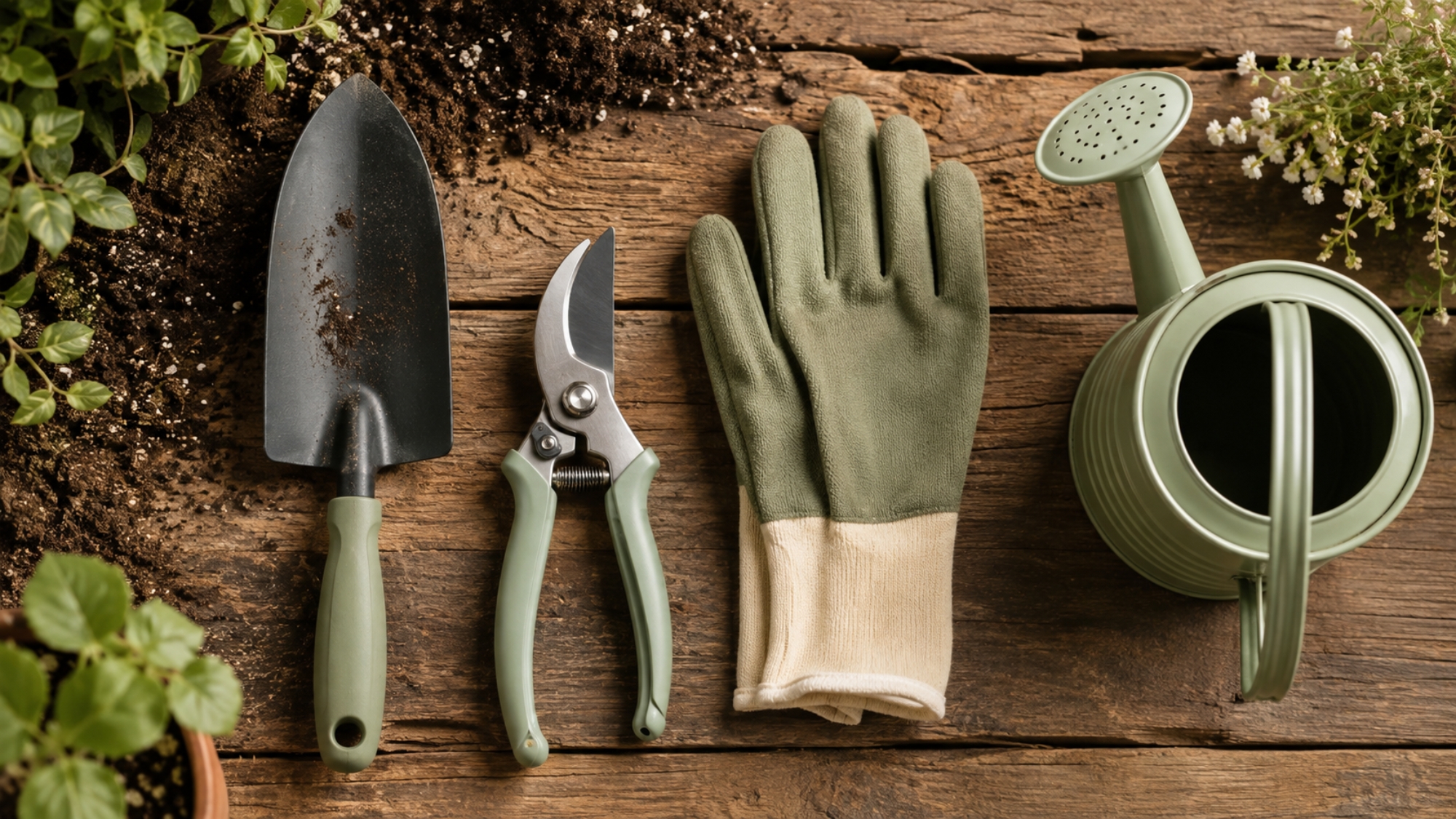
You don’t need a shed full of gadgets. You need seven things.
Walk into any garden center as a first-time gardener and it’s overwhelming. Rows of tools, dozens of glove sizes, and gadgets you’ve never even seen before — all competing for your attention, and your wallet.
Here’s the good news: you genuinely don’t need most of it. After helping plenty of beginners get their first garden started, I keep coming back to the same short list — a handful of essential gardening tools for beginners that cover roughly 90% of what you’ll actually do all season. Everything else can wait until you know you need it.
Essential Gardening Tools for Beginners: The Core Toolkit
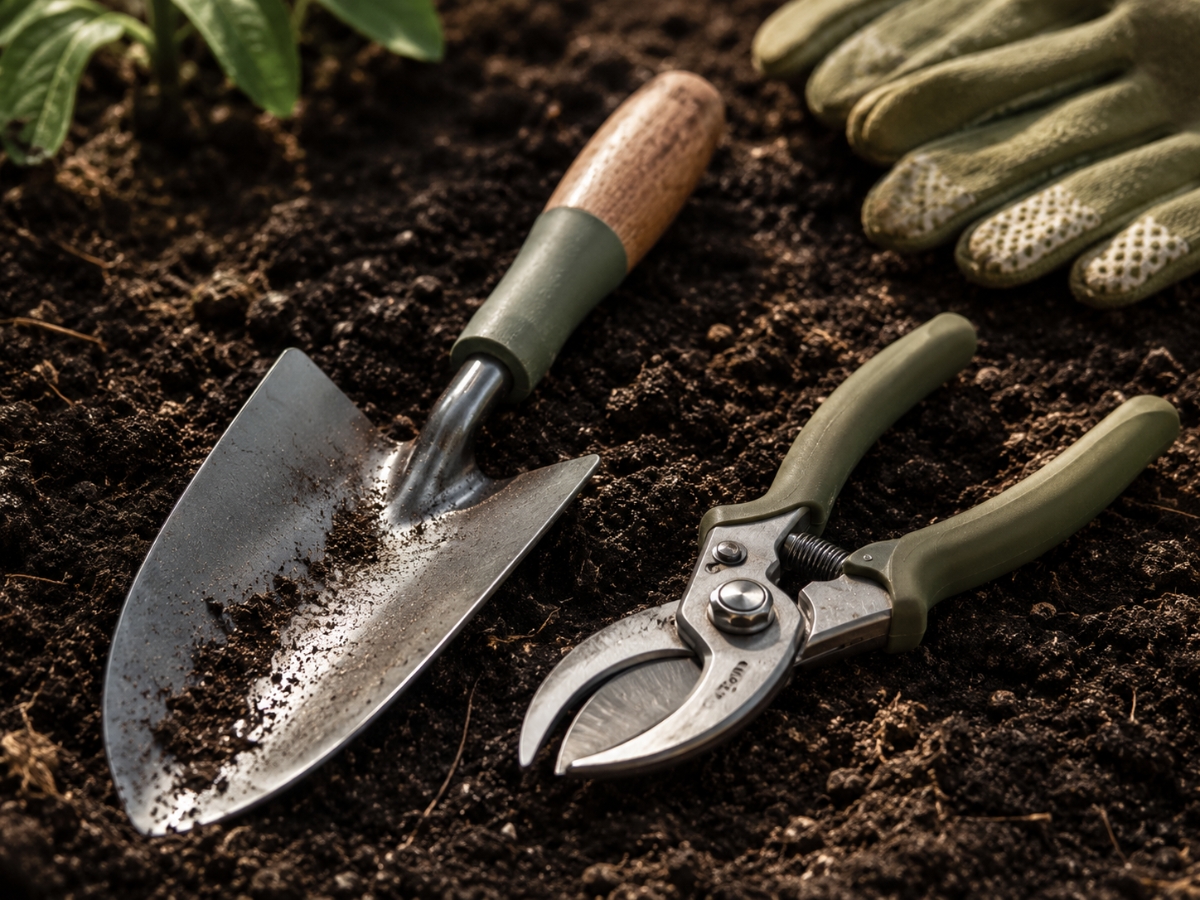
If you’re starting with a single raised bed, a few containers, or a modest in-ground plot, these seven essential gardening tools for beginners will carry you through your entire first season.
1Hand Trowel
This is the single most-used tool in any beginner’s garden, full stop. You’ll reach for it to dig planting holes, transplant seedlings, and pull small weeds — often multiple times in one gardening session. Look for a sturdy, comfortable handle and a stainless-steel blade if your budget allows; it resists rust and holds up far longer than the cheaper stamped-metal versions. I use and recommend the Fiskars Ergo Garden Trowel — the cast aluminum head is rust-resistant and the ergonomic grip makes repeated digging much easier on your hand.
2Pruning Shears (Hand Pruners)
Useful for harvesting vegetables and herbs cleanly without tearing the plant, and for trimming back damaged or diseased leaves and stems. A clean cut heals faster and invites less disease than a rough one from pulling by hand. The Fiskars SoftGrip Bypass Pruning Shears are a great beginner pick — bypass-style blades give a cleaner cut than anvil-style shears, and they work equally well whether you’re right- or left-handed.
3Watering Can or Garden Hose with a Spray Nozzle
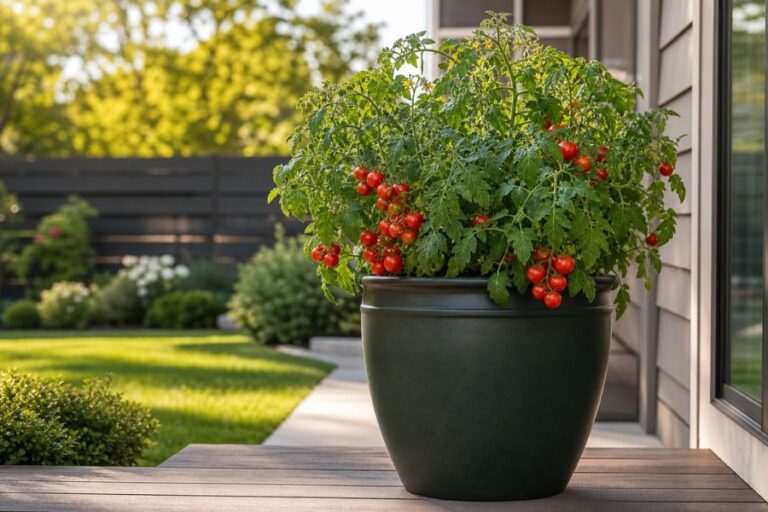
Container and small raised-bed gardeners often do just fine with a simple watering can — the Chapin 2-Gallon Watering Can is a solid, no-fuss option with a drip-free spout that saves you from wet floors and puddled patios. (If you’re growing in pots specifically, my complete guide to growing tomatoes in containers covers watering frequency in more depth, since containers dry out faster than beds.) Larger in-ground gardens benefit more from a hose with an adjustable spray nozzle; I like the Bionic Steel 25 Ft Metal Garden Hose for this — it’s non-kinking, holds up well, and is affordably priced compared to a lot of the premium hoses out there.
4Garden Gloves
Protects your hands from thorns, splinters, and the general wear of digging in soil. Choose a pair that fits snugly without being tight — too loose and you lose the dexterity you need for delicate tasks like thinning seedlings. I like COOLJOB Gardening Gloves — the textured latex palm gives a good grip and the breathable liner keeps your hands comfortable on warmer gardening days.
Want to Shop the Whole Toolkit at Once?
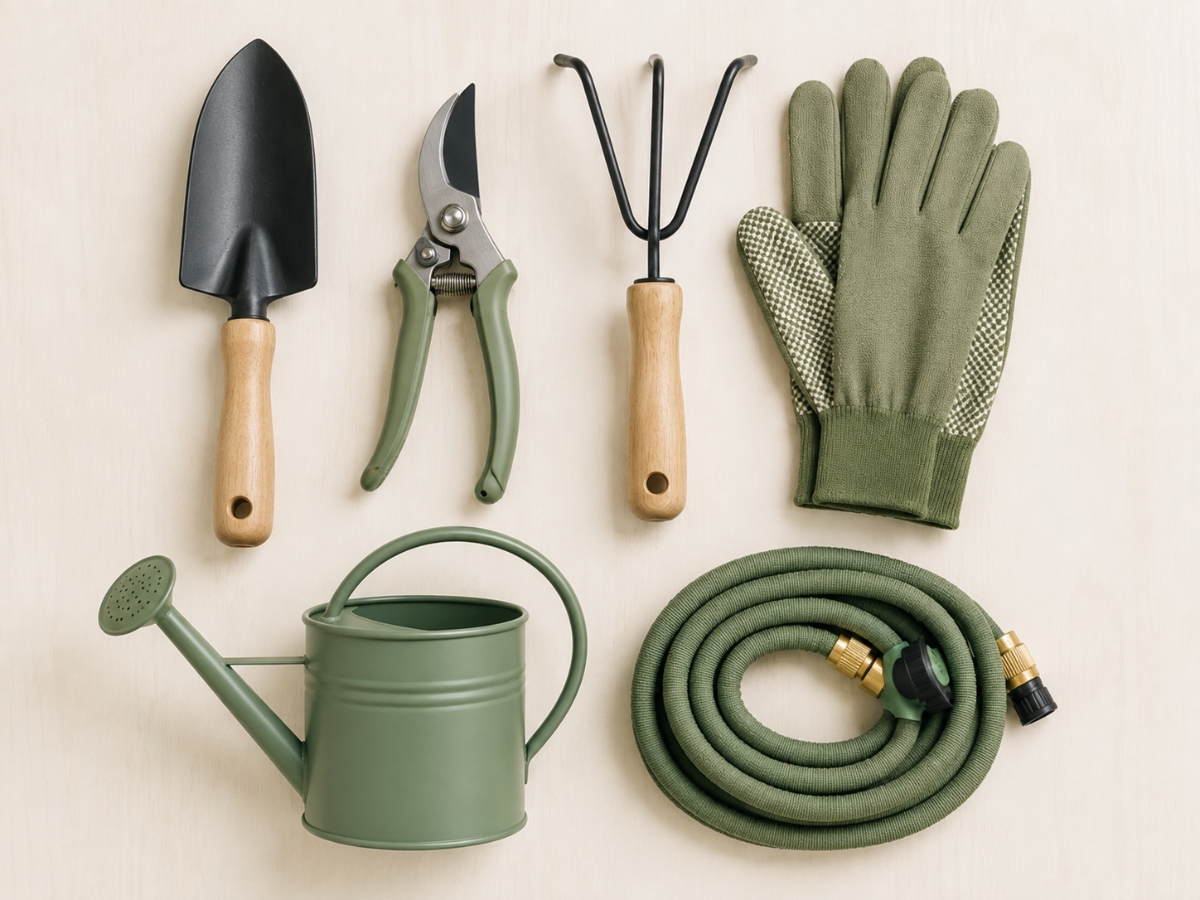
I put every tool from this post into one Amazon Idea List, so you can grab everything in a single trip instead of hunting down each link.
Shop My Beginner Toolkit →5Garden Fork or Hand Cultivator
Useful for loosening compacted soil and working compost into your beds before planting — a task you’ll do at the start of the season and again between plantings. A hand cultivator (the smaller, claw-shaped version) works well for containers and small beds. The Fiskars Ergo Garden Cultivator pairs nicely with the trowel and pruners above if you’re building out a matching set.
6Digging Shovel or Spade
Needed for larger tasks like preparing an in-ground bed, digging out sod, or moving compost in bulk. If you’re gardening purely in containers, you can usually skip this one entirely. A simple round-point D-handle shovel covers everything a beginner needs here — no need to spend a lot on this one.
7Garden Hoe
Makes quick work of clearing weeds at the soil surface without disturbing your vegetables’ roots — genuinely one of the fastest ways to keep a larger bed tidy without getting down on your knees. The NICOFPHY Long-Handle Weeder & Hoe is a nice upgrade on a traditional hoe — it’s a 2-in-1 stand-up weeder and rake, so you can pull weeds root and all without bending over.
Want the Full Beginner Roadmap, Not Just the Tools?
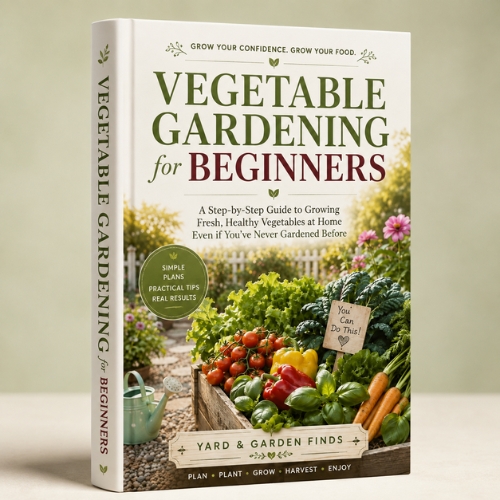
Tools are just one piece of the puzzle. My ebook, Vegetable Gardening for Beginners, walks you through everything else — choosing your spot, prepping your soil, watering correctly, keeping pests away naturally, and harvesting at exactly the right time — plus a full set of printable cheat sheets and checklists.
Get the Ebook on Amazon →What to Skip in Your First Season
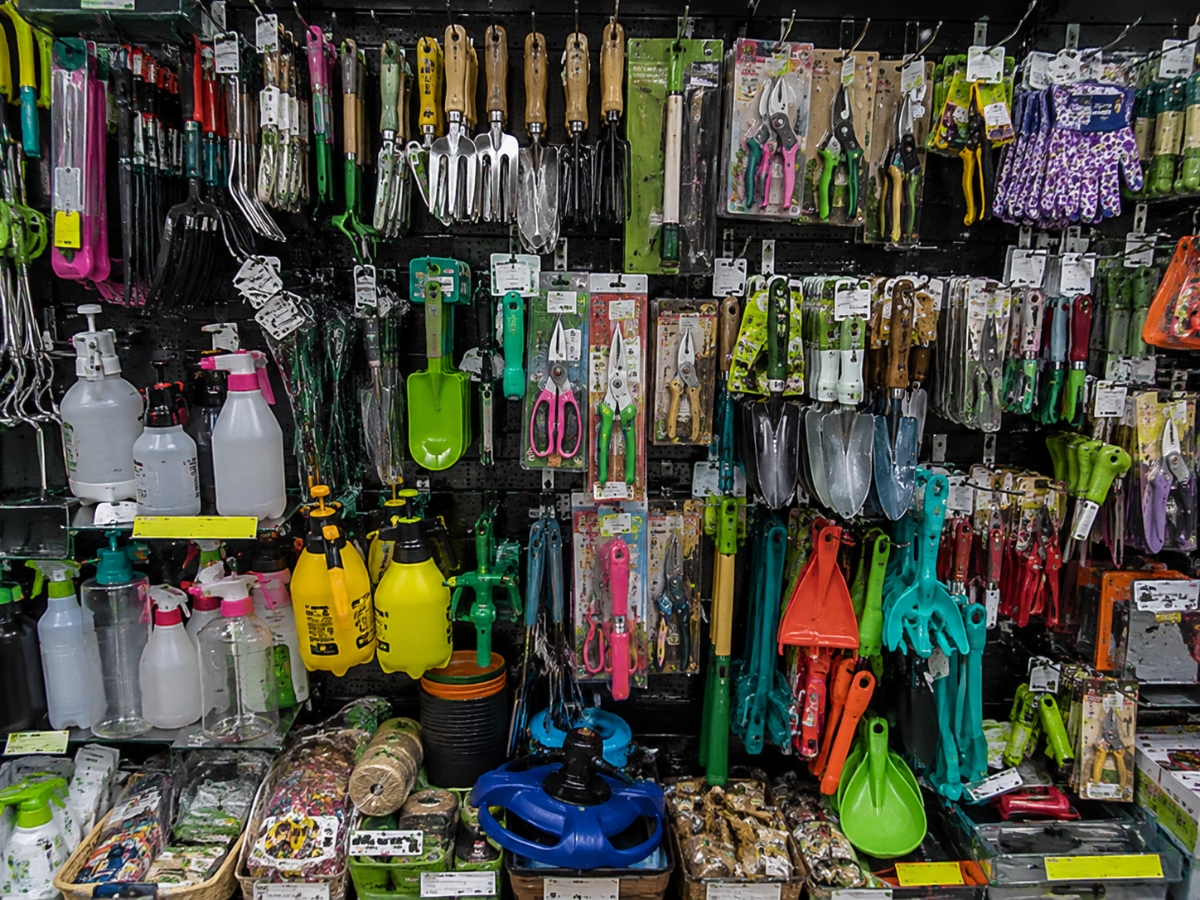
It’s just as easy to overspend on gardening as it is to save money, and the garden center aisle is designed to tempt you into both. Here’s what I’d leave on the shelf until you have a specific, proven need for it. (If you haven’t picked your growing method yet, my guide to the easiest vegetables for beginners is a good place to start — it’ll help you figure out what you’re actually growing before you overspend on gear for it.)
What Should It Cost?
A complete, quality core toolkit — trowel, pruners, gloves, watering can, and fork — typically runs $30 to $60 if you buy reasonably priced individual tools rather than a premium branded set. Adding a full-size shovel and hoe for in-ground gardening might bring that to $60 to $100.
| Garden Type | What You Really Need |
|---|---|
| Containers on a patio/balcony | Hand trowel, watering can, pruning shears, gloves |
| A single 4×4 or 4×8 raised bed | Hand trowel, garden fork, pruning shears, watering can or hose, gloves |
| A 10×10 or larger in-ground plot | Full core toolkit, including shovel and hoe |
Taking Care of Your Tools
A little maintenance goes a long way toward making cheap tools last and expensive tools stay useful for years instead of one season. Once your tools are sorted, the next question is usually soil — my homemade plant fertilizer guide is a natural next stop if you want to keep your first season affordable start to finish.
- Rinse off soil after each use so it doesn’t dry and cake onto the blade
- Dry metal tools before storing them to prevent rust
- Store tools somewhere dry — a shed, garage, or covered bin — rather than leaving them outside exposed to rain
- Wipe metal blades with a light coat of oil occasionally if you notice them starting to rust
Common Mistake to Avoid
Buying an elaborate tool set before you know what your specific garden actually needs is one of the most common (and most avoidable) beginner missteps. It’s easy to end up with several tools that never leave the shed, while wishing that money had gone toward soil, compost, or seeds instead. Start with the seven core essentials above, and add specialty tools only once you’ve identified a genuine, repeated need for them.
Ready to Start Your First Garden the Right Way?
Vegetable Gardening for Beginners covers everything from choosing your spot to harvesting your first crop — written specifically for readers who’ve never grown a vegetable before.
Grab Your Copy →This post contains affiliate links, including Amazon Associate links. As an Amazon Associate, I earn from qualifying purchases at no extra cost to you.