10 Easiest Fall Vegetables to Grow for Beginners
This post contains affiliate links. If you make a purchase through one, I may earn a small commission at no extra cost to you.
Introduction
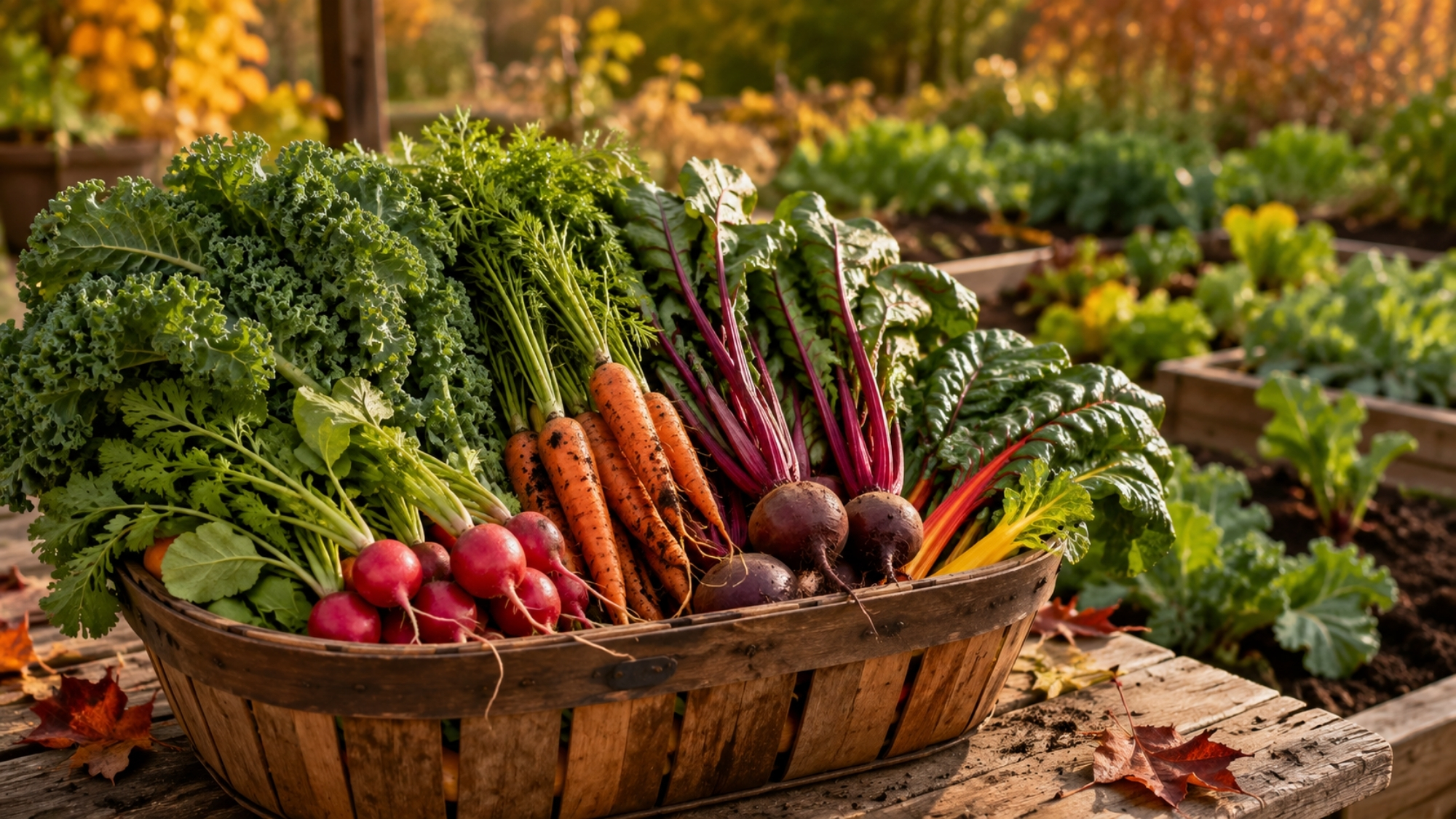
Looking for the easiest fall vegetables to grow for beginners? If you loved growing vegetables this summer with our 10 Easiest Vegetables to Grow for Beginners guide, fall gardening might be even easier. Cooler temperatures mean fewer pests, less watering, and — for several crops — sweeter, better-tasting vegetables. If you’re just getting started, this list sticks to the vegetables that forgive mistakes, need little babying, and reward you fast.
📗 New to gardening altogether?
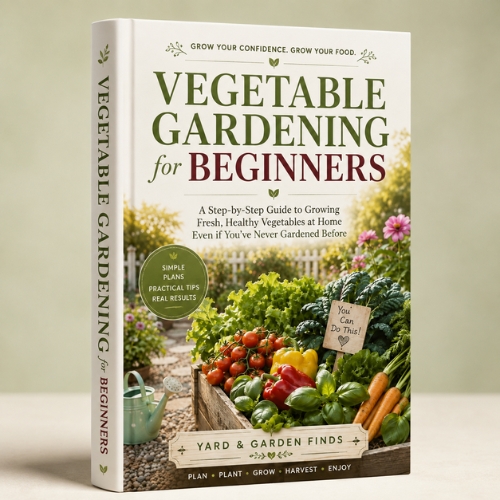
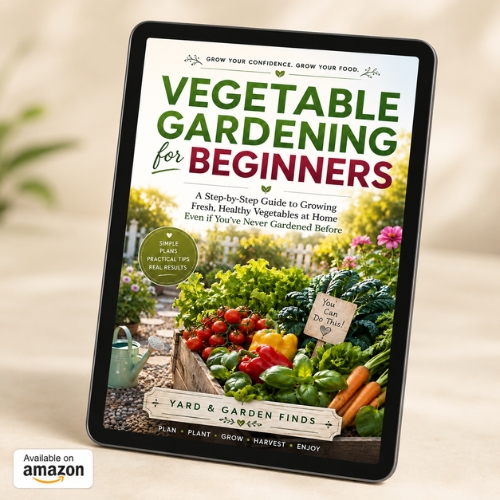
Our Vegetable Gardening for Beginners ebook walks you through everything step-by-step — perfect if you want a full guide alongside this list.
1. Garlic
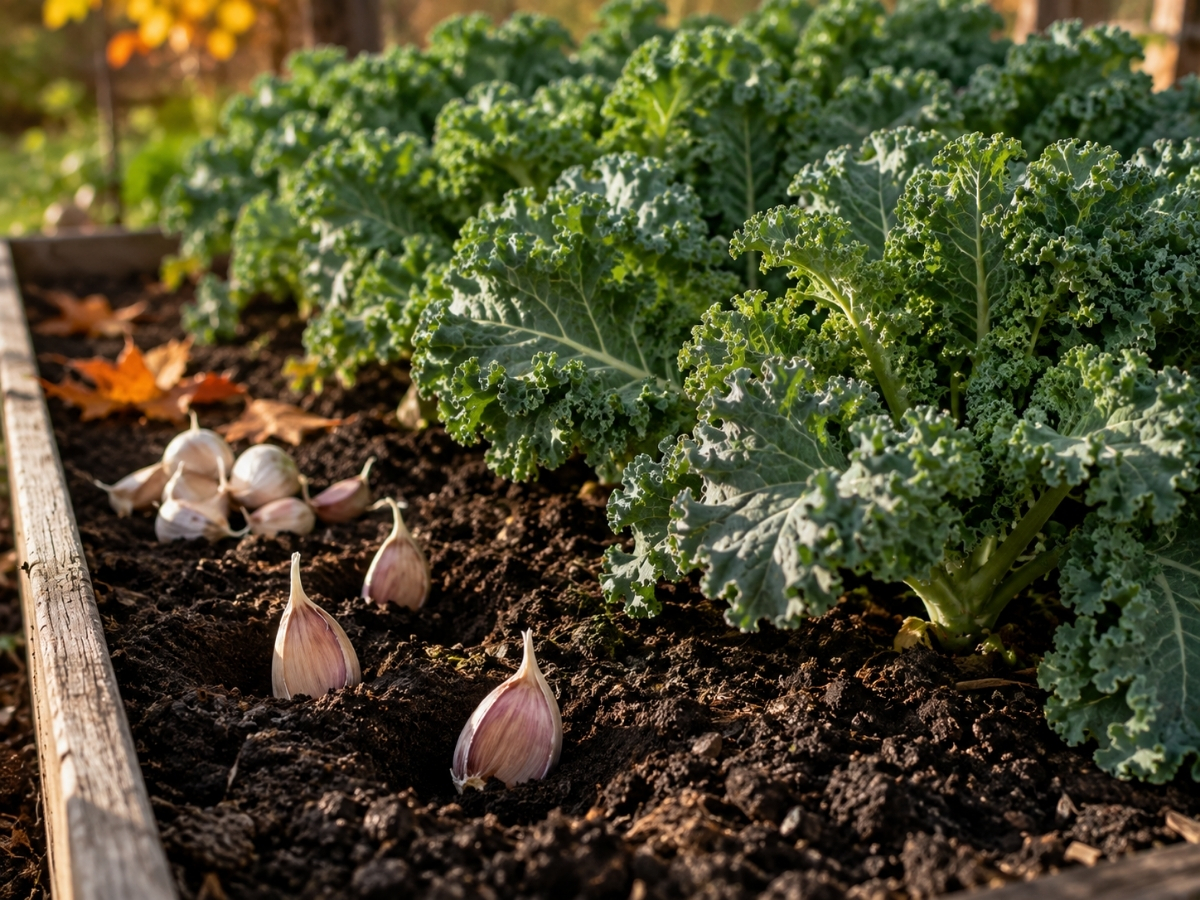
About as foolproof as vegetable gardening gets. Plant individual cloves in fall, mulch, and mostly ignore them through winter — you’ll harvest a full bulb the following summer. Minimal pest pressure, no fussy care required.
Beginner tip: Plant cloves pointy-side up, about 2 inches deep, 6 inches apart.
🌱 Shop garlic seed & bulbs at True Leaf Market
2. Kale
Kale actually gets sweeter after a light frost, and it’s remarkably forgiving of missed watering. Harvest leaf-by-leaf as you need it instead of waiting for a full head to mature.
🌱 Shop kale seeds at True Leaf Market
3. Radishes
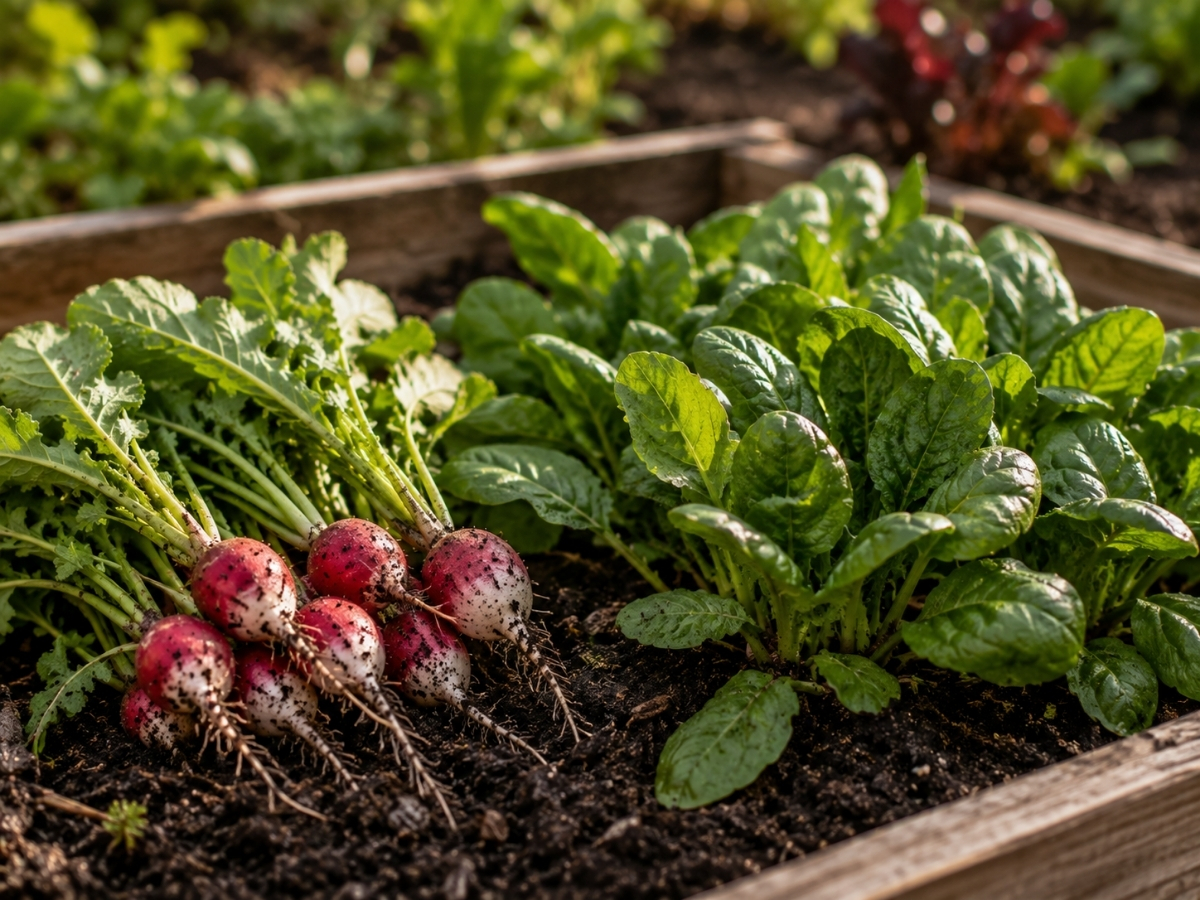
The fastest crop on this list — ready in as little as 18–30 days. A great confidence-builder for beginners who want to see results quickly.
🌱 Shop radish seeds at True Leaf Market
4. Spinach
Cold-tolerant, quick-growing, and compact enough for containers or small raised beds. Great if space is limited.
🌱 Shop spinach seeds at True Leaf Market
5. Carrots
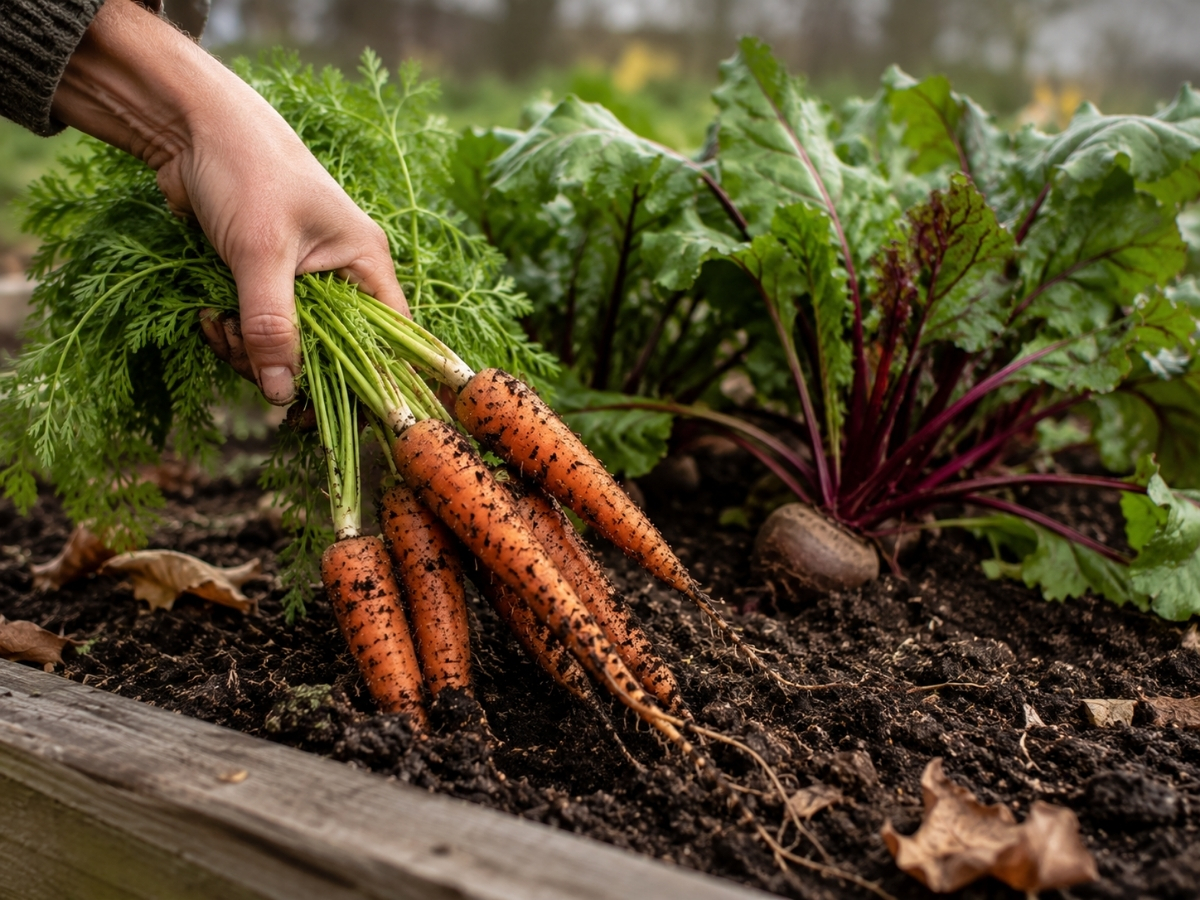
Fall-grown carrots tend to taste sweeter, since cool weather converts starches to sugar. Cooler temps also mean fewer pest problems than summer-grown carrots.
🌱 Shop carrot seeds at True Leaf Market
6. Beets
Low-maintenance and dual-purpose — you get both the root and the greens from one plant. Tolerant of a wide range of soil types.
🌱 Shop beet seeds at True Leaf Market
7. Broccoli
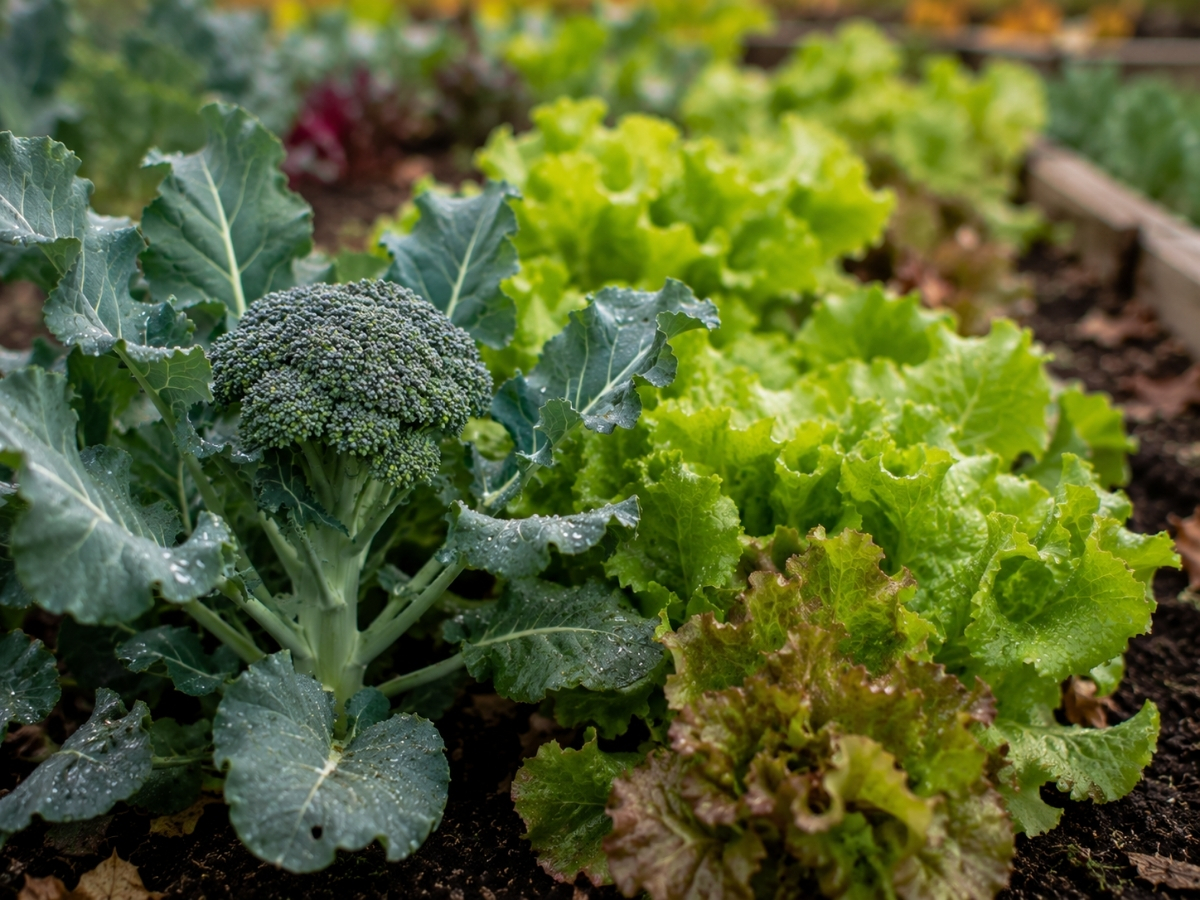
Slightly more effort than the others, but broccoli actually prefers cool fall weather over summer heat, which makes it easier to grow now than in spring.
🌱 Shop broccoli seeds at True Leaf Market
8. Loose-Leaf Lettuce
Fast-growing and shallow-rooted, lettuce does well in containers and bolts far less in cool fall weather than in summer heat.
🌱 Shop loose-leaf lettuce seeds at True Leaf Market
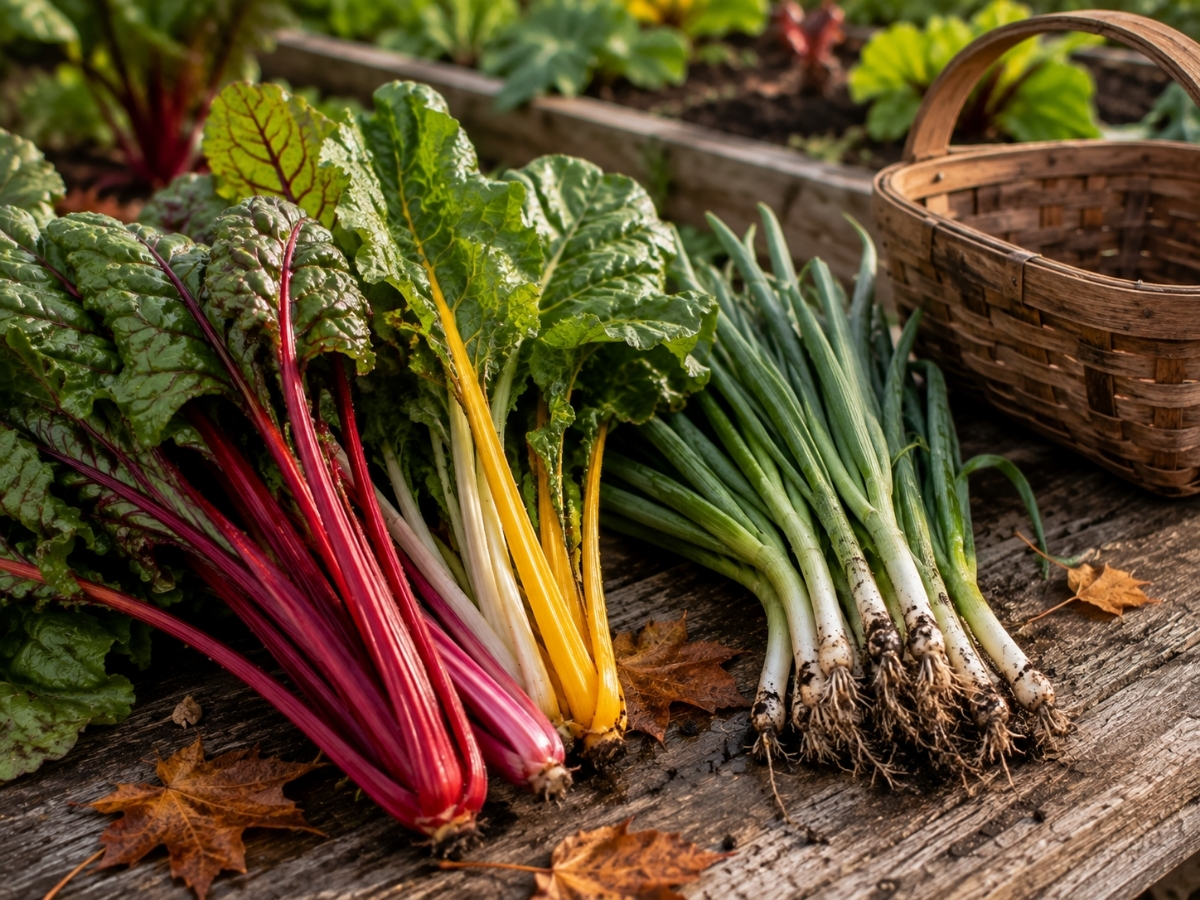
9. Swiss Chard
Colorful, forgiving, and productive — a cut-and-come-again crop that keeps producing for weeks after the first harvest.
🌱 Shop Swiss chard seeds at True Leaf Market
10. Green Onions (Scallions)
Nearly impossible to get wrong. Minimal space needed and a quick turnaround from planting to harvest.
🌱 Shop green onion seeds at True Leaf Market
Bonus Pick: Cauliflower (For When You’re Ready for a Challenge)
Cauliflower is a common vegetable a lot of beginners want to try — but it’s a bit trickier than the rest of this list, so we’re calling it out separately rather than including it in the “easy” ten.
Why it’s trickier:
- It needs a narrow window of cool-but-not-cold weather to form good heads, and can “button” (form small, unusable heads) if stressed by heat or cold snaps
- Many varieties need blanching — tying the outer leaves over the head to keep it from yellowing — an extra step beginners don’t always expect
- It takes longer to mature (60–80 days), so timing matters more for a fall harvest before frost
- It needs more consistent soil moisture and fertility than something like chard or green onions
If you’ve had success with a few crops from the list above, cauliflower is a great next challenge — just don’t start here if this is your very first fall garden.
🌱 Shop cauliflower seeds at True Leaf Market
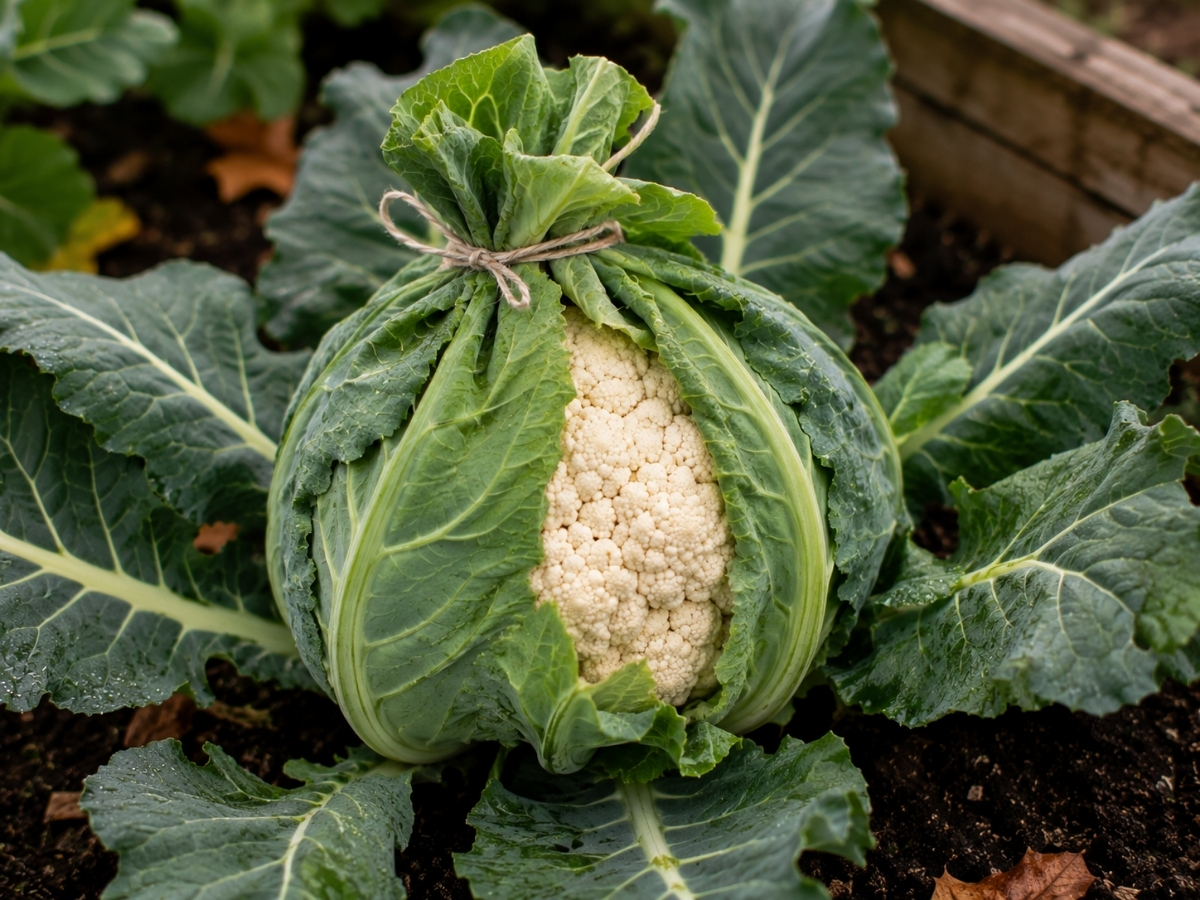
Cauliflower needs a bit more patience — but it’s worth the wait.
When to Plant: Fall Vegetable Timing by Zone
| Zone | Plant By |
|---|---|
| Zone 3–4 | Early-Mid August |
| Zone 5–6 | Late August–Early September |
| Zone 7–8 | Mid September–Early October |
| Zone 9–10 | October–November |
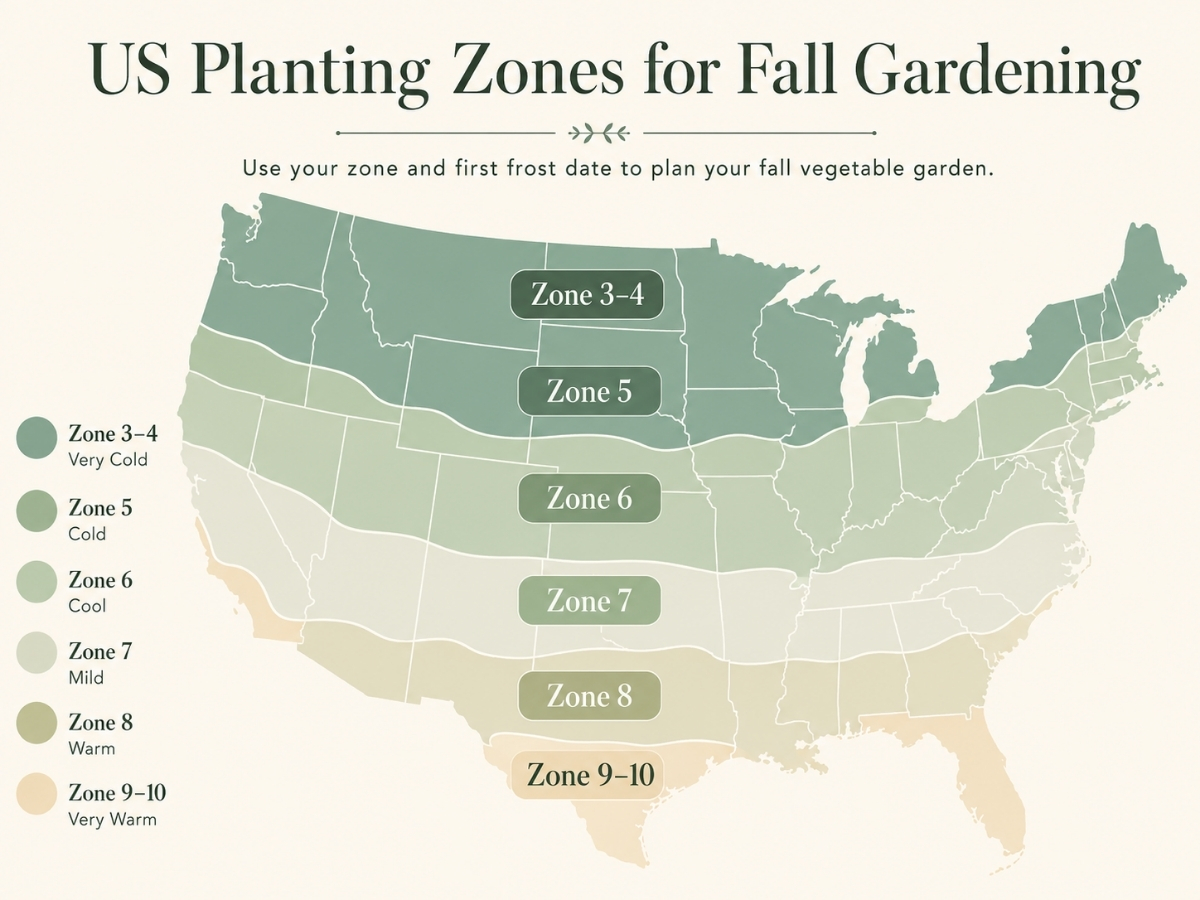
(Timing varies by vegetable — fast crops like radishes can go in later than slower ones like broccoli or cauliflower. Always count back from your first expected frost date.)
Coming from summer planting? Check out our What to Plant in July zone-by-zone guide to keep your garden going year-round.
Give Your Fall Garden a Boost
Cooler soil can slow down nutrient uptake, so a little feeding help goes a long way this time of year:
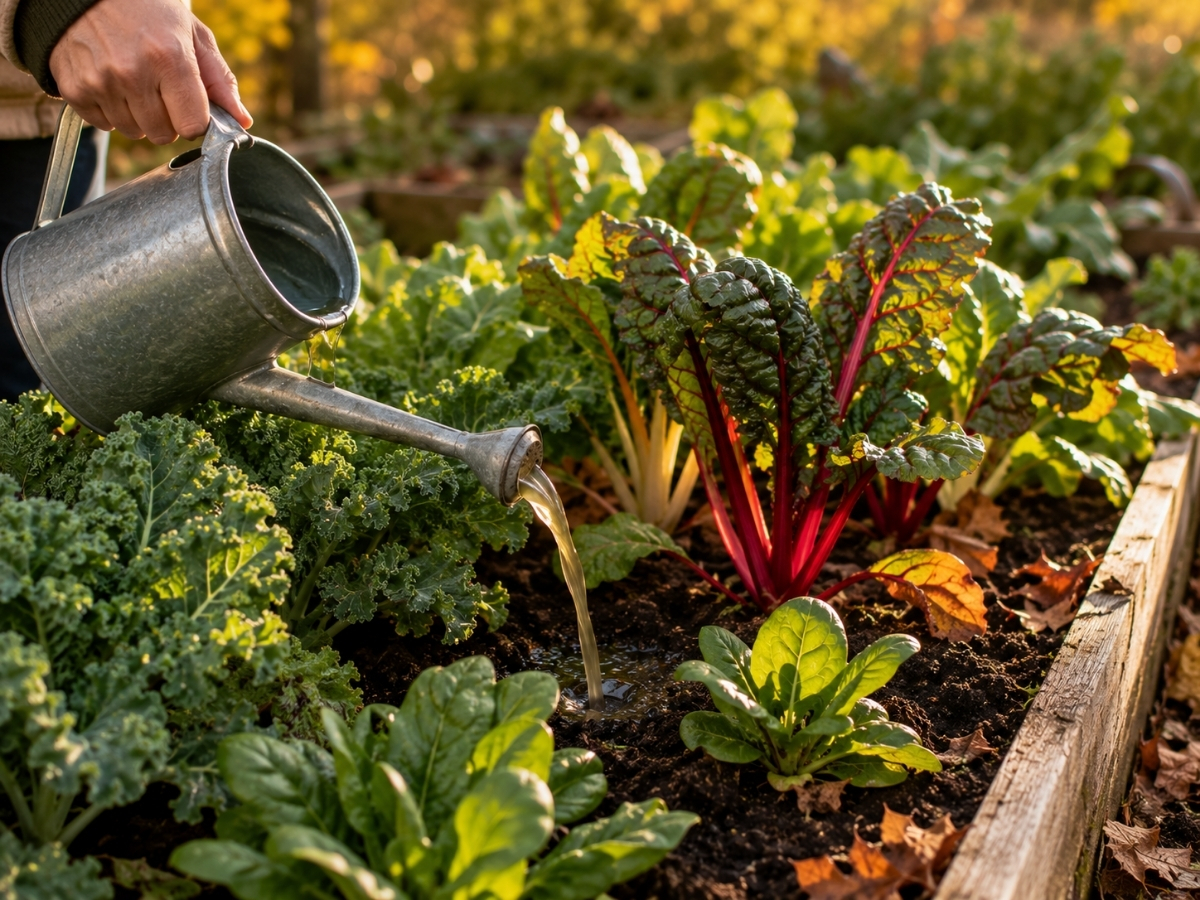
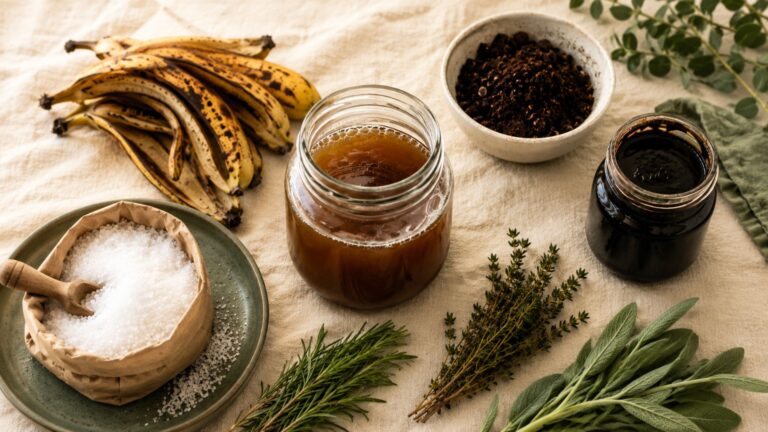
- Alaska Fish Emulsion 5-1-1 Concentrate — a gentle, all-purpose feed that’s great for leafy greens like kale, spinach, and chard
- Smart Grower Organic Sea Kelp — helps root crops like carrots and beets establish strong roots before the ground cools
- Amazon Basics Epsom Salt — supports healthy growth for brassicas like broccoli and cauliflower
- Golden Barrel Blackstrap Molasses — feeds beneficial soil microbes as temperatures drop
Prefer a DIY approach? Our Homemade Plant Fertilizer post has 4 easy recipes using things you likely already have at home.
5 Simple Mistakes to Avoid
- Planting too late. Fall crops need enough time to mature before a hard frost — check your zone’s planting window (see the table above) rather than guessing.
- Skipping the mulch. A layer of mulch insulates roots as temperatures drop and helps retain moisture while nights get cooler and drier.
- Assuming frost kills everything. Many of the easiest fall vegetables to grow for beginners — like kale, carrots, and spinach — actually improve with a light frost. Don’t panic and pull them early.
- Ignoring daylight hours. Fall days get shorter fast, so growth slows even with warm afternoons. Plant a little earlier than you think you need to, to compensate.
- Not watering enough. Cooler weather tricks people into under-watering, but fall soil can still dry out fast, especially right after planting.
Final Thoughts
Fall gardening is one of the most beginner-friendly seasons to try — fewer pests, less watering, and several vegetables that actually taste better once the weather cools. Start with a few crops from the easy list, and if you’re feeling ambitious, give cauliflower a shot once you’ve got a season under your belt.
Need the right gear before you get started? Check out our 7 Essential Gardening Tools for Beginners, or grab our Vegetable Gardening for Beginners ebook for a complete step-by-step walkthrough.
This post contains affiliate links, including Amazon Associate links and True Leaf Market affiliate links. As an Amazon Associate, I earn from qualifying purchases. I may also earn a commission from purchases made through True Leaf Market links. All at no extra cost to you.