10 Easiest Vegetables to Grow for Beginners (Even With Zero Experience)
No green thumb required — just the right plants and a little know-how.
If you’ve ever bought a tomato plant with big dreams, only to watch it wilt, get eaten by something, or just… quietly disappear by July — you’re not alone, and you’re definitely not bad at this. You just started with the wrong vegetables.
Some vegetables are genuinely forgiving. They tolerate a missed watering, a beginner mistake, or an unexpected cold snap, and they still reward you with an actual harvest. Others punish the smallest slip-up. This list is entirely the first kind.
Here are the 10 vegetables I always recommend to first-time gardeners — the ones most likely to make your first season feel like a win instead of a chore.
The Easiest Vegetables to Grow for Beginners: Where to Start
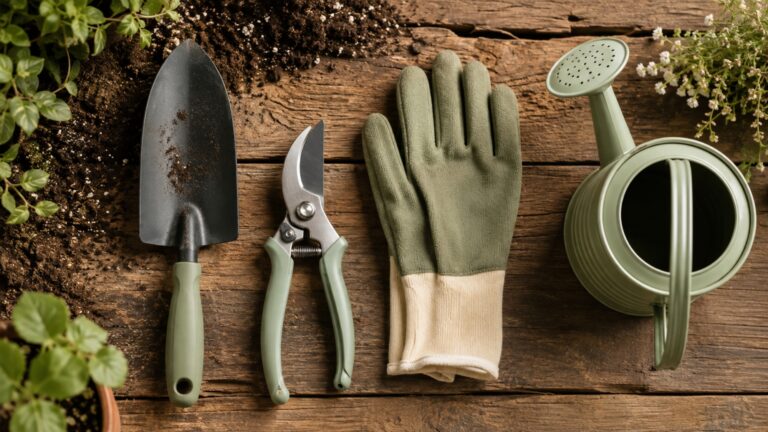
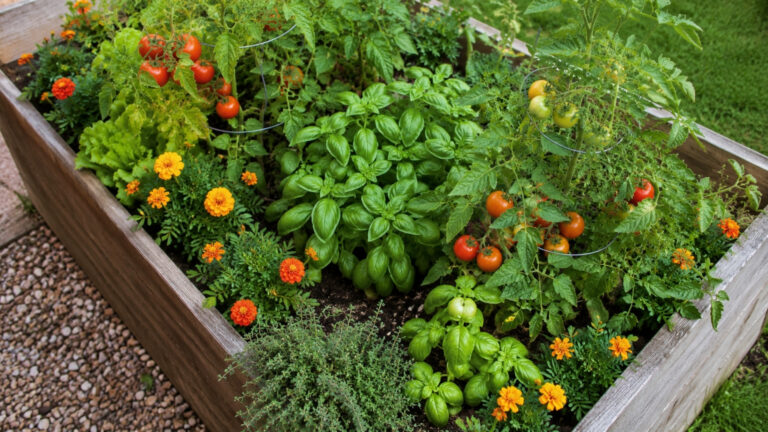
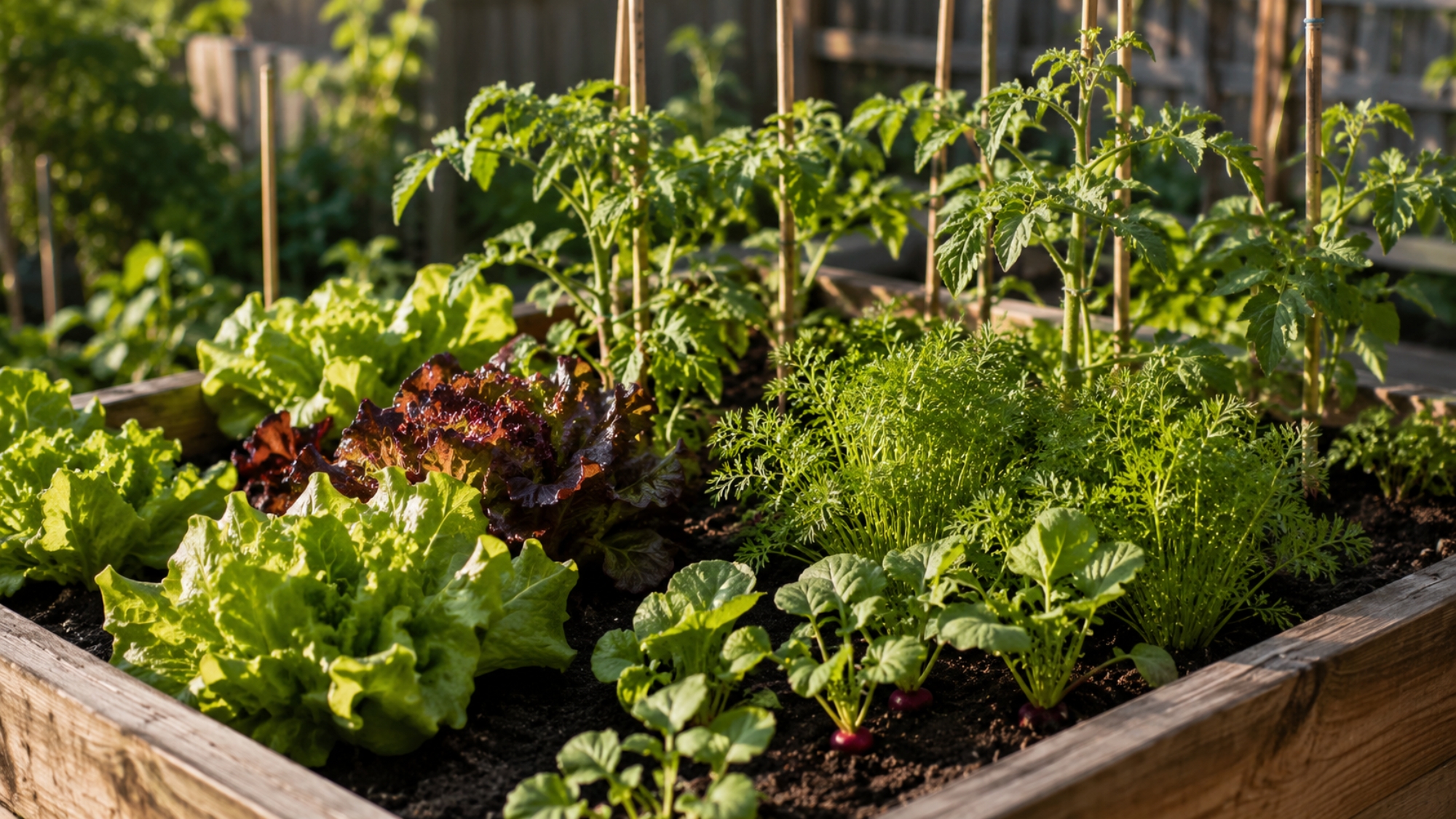
Whether you’ve got a full backyard, a single raised bed, or just a sunny patio for containers, these are the easiest vegetables to grow for beginners — chosen specifically because they forgive the small mistakes everyone makes in their first season. (Not sure what to plant them with yet? My guide to essential gardening tools for beginners covers exactly what you need — and what you can skip — before you get started.)
1Radishes
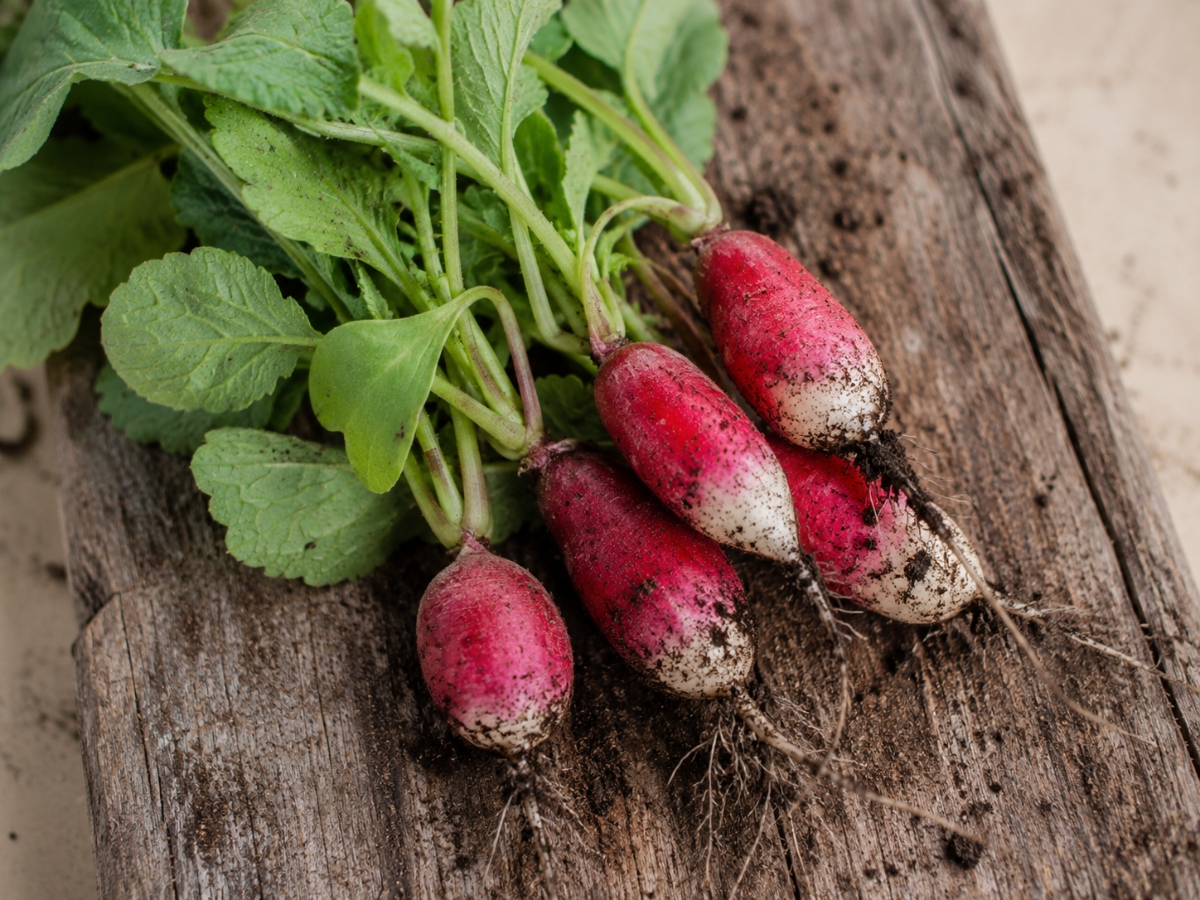
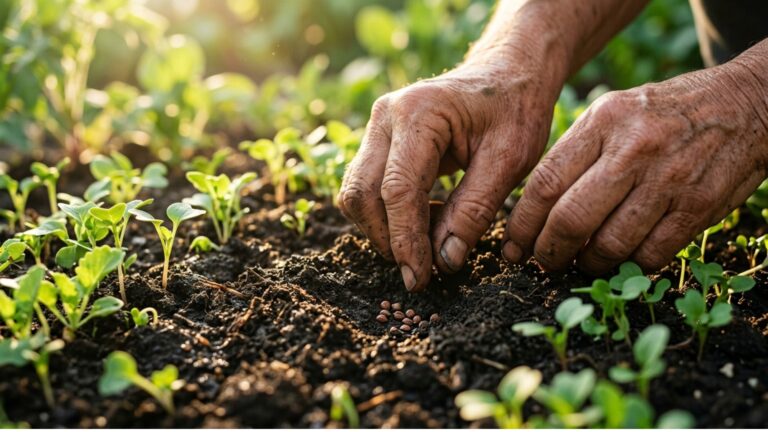
If you want proof that you can actually grow food, start here. Radishes go from seed to harvest in as little as three to four weeks — no transplanting, no fuss. Sow the seeds directly in the soil about half an inch deep, an inch apart, and thin them to two to three inches once they sprout. Full sun to partial shade both work fine. I get my seeds from True Leaf Market — their germination rates have been consistently great for me.
2Leaf Lettuce
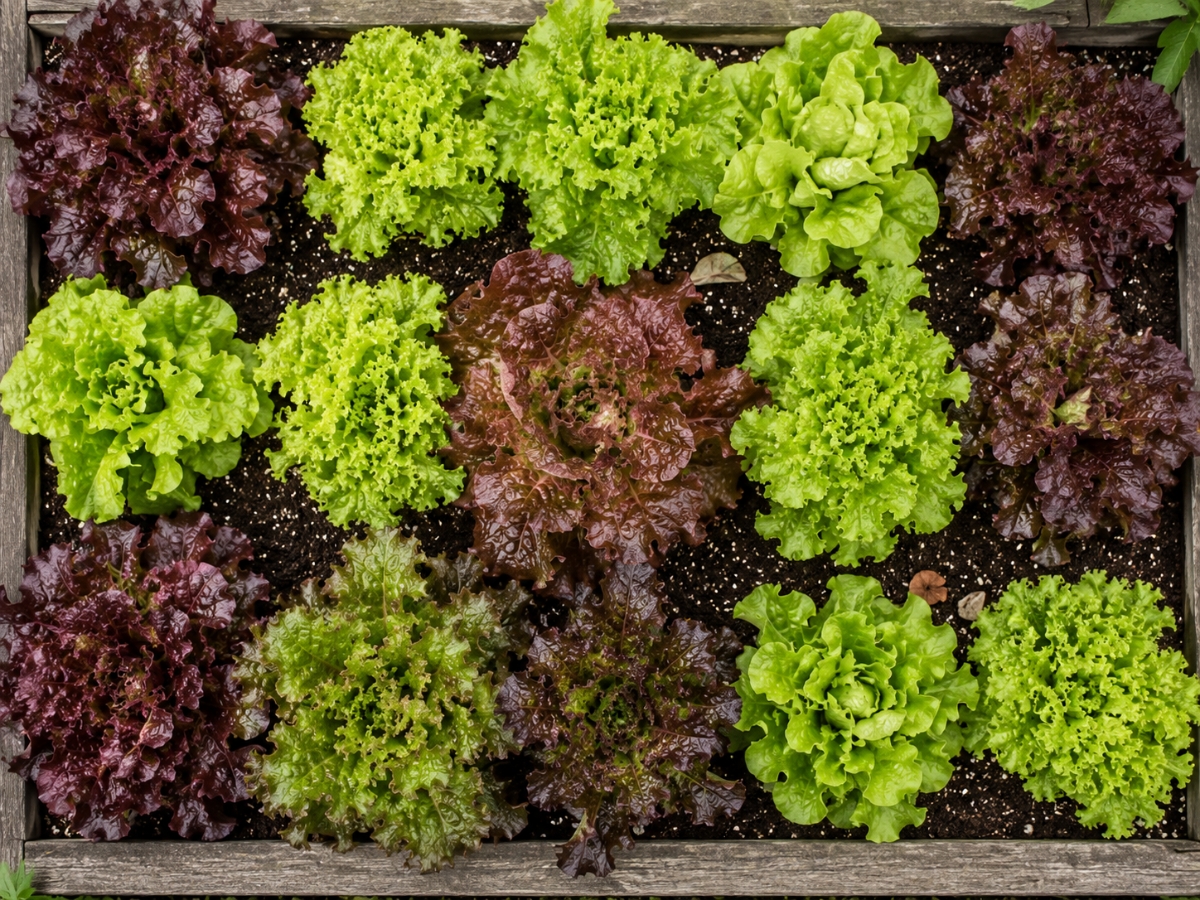
Lettuce might be the single most forgiving vegetable you can grow. It tolerates partial shade, does fine in containers, and with loose-leaf varieties, you can harvest the outer leaves again and again over several weeks while the plant just keeps growing.
Sow seeds shallowly, about a quarter inch deep, a few weeks before your last frost date. If you’re in a hot climate, a little afternoon shade helps prevent bolting (when the plant rushes to seed and turns bitter). I usually grab my lettuce seeds from True Leaf Market — good variety and reliable germination.
3Bush Beans
Unlike pole beans, bush beans don’t need a trellis, and they’re naturally resistant to a lot of common garden pests. Sow the seeds about an inch deep directly in the soil once it’s warmed up after your last frost, and you’ll be harvesting a steady supply within weeks. I get my bush bean seeds from True Leaf Market as well.
4Cherry or Grape Tomatoes
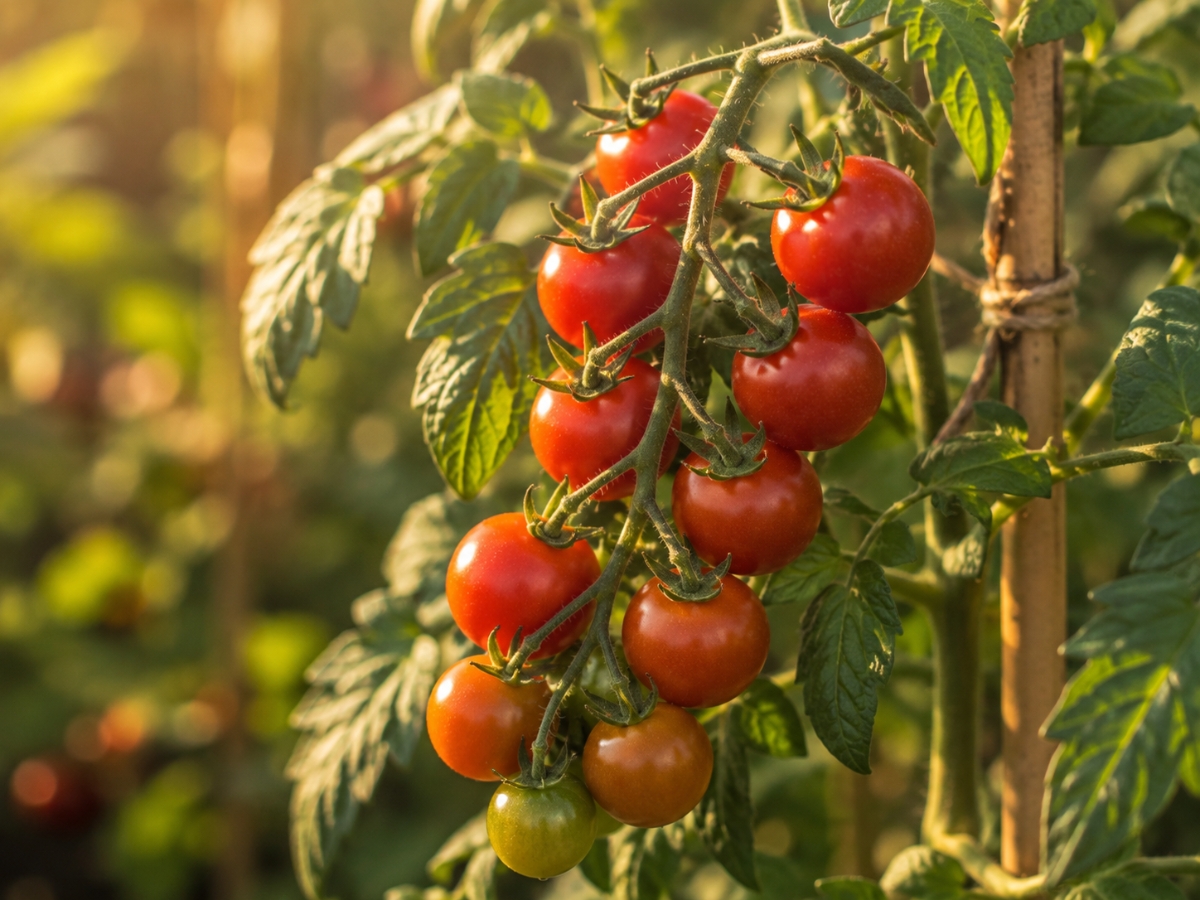
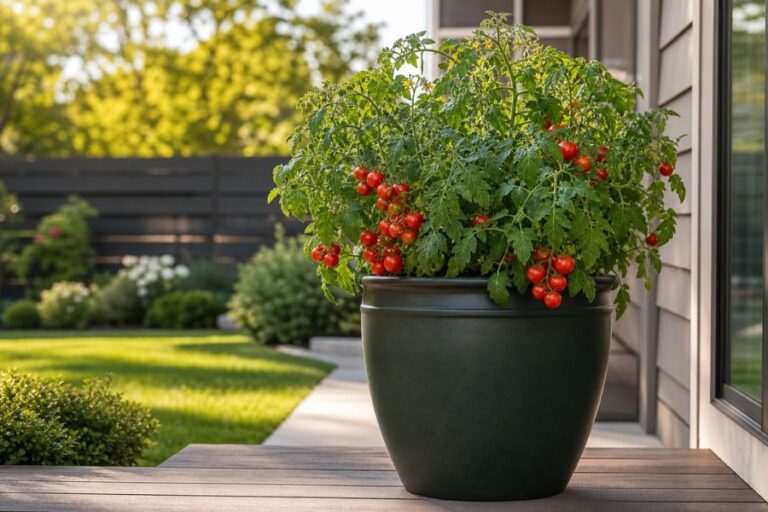
Full-size slicing tomatoes can be fussy, but compact cherry and grape varieties are far more forgiving — and a single healthy plant can produce hundreds of tomatoes over a summer. Start from a nursery seedling for a head start, bury the stem up to the first set of leaves when transplanting (this encourages extra roots), and give it full sun and a stake or cage. I like the cherry tomato seeds from True Leaf Market if you’d rather start from seed. Working with a patio or balcony instead of a yard? My complete guide to growing tomatoes in containers walks through pot size, potting mix, and support for exactly that setup.
5Zucchini and Summer Squash
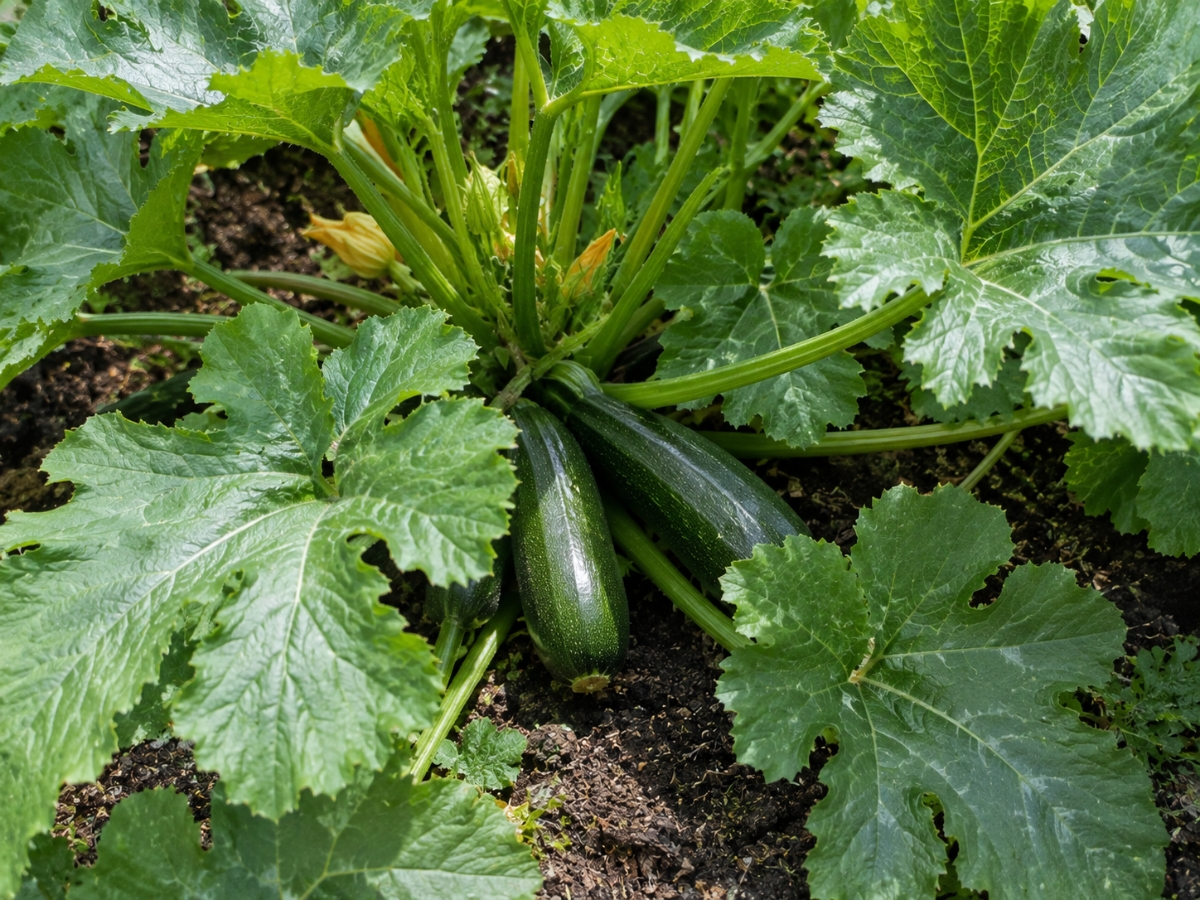
Few vegetables produce as generously as zucchini — the running joke among gardeners is that one plant makes more than any household can eat. Sow seeds directly in the soil after your last frost, give each plant two to three feet of room, and harvest young (around six to eight inches) for the best flavor and texture. I buy my zucchini seeds from True Leaf Market too.
6Cucumbers
Cucumbers are fast-growing, productive, and beginner-friendly, especially if you give the vines something to climb — a simple trellis keeps the fruit straighter and off the ground, which also means fewer pest and rot issues. Consistent watering matters here more than most crops; uneven moisture is the usual culprit behind bitter-tasting cucumbers. My go-to cucumber seeds are from True Leaf Market.
7Bell and Sweet Peppers
Peppers are slower to get going than most crops on this list, but once established, they’re low-maintenance and productive right through fall. Start from a transplant rather than seed for a much easier first season, and know that you can harvest peppers green or leave them on the plant to ripen into red, orange, or yellow — both stages are perfectly edible. If you’d rather start from seed, I get my bell pepper seeds and sweet pepper seeds from True Leaf Market.
8Peas
Peas are a reliable cool-season crop you can plant earlier than almost anything else — a few weeks before your last frost. Sugar snap and snow pea varieties are especially beginner-friendly. Give them a simple trellis or fence to climb, and they’ll take care of the rest. I order my pea seeds from True Leaf Market.
9Green Onions and Chives
Both are about as low-effort as vegetables get. Green onions can be grown from seed, small sets, or even regrown from the root end of a store-bought bunch. Chives are a perennial herb that comes back on its own year after year, with almost zero care required. I use green onion seeds and chive seeds from True Leaf Market for both.
10Basil
Technically an herb, but it belongs on every beginner’s list — a few dollars of basil seed from True Leaf Market can replace dozens of dollars in small grocery-store herb packages over a season. It thrives in the same warm, sunny conditions tomatoes love, which is exactly why the two are so often planted side by side.
Want the Full Step-by-Step Plan?
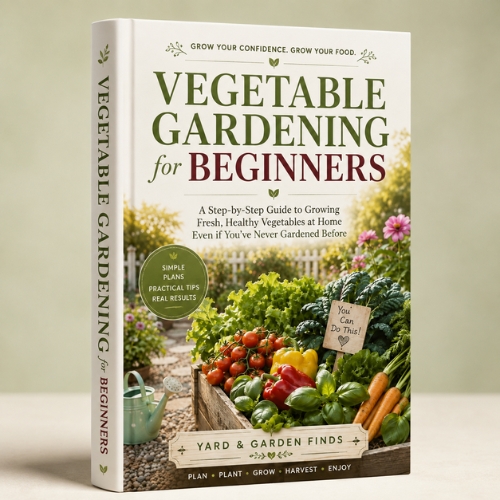
This list gets you started — but knowing which vegetables to grow is only half the picture. My new ebook, Vegetable Gardening for Beginners, walks you through everything else: choosing your spot, prepping your soil, watering correctly, keeping pests away naturally, and harvesting at exactly the right time — plus a full set of printable cheat sheets and planting calendars.
Get the Ebook on Amazon →A Quick Word on Feeding Your Plants
Most of these vegetables will do just fine with good soil and regular watering alone, especially in year one. But heavier feeders like tomatoes, cucumbers, and squash appreciate a boost partway through the season. I like an organic liquid fertilizer like Alaska Fish Emulsion for a gentle, fast-acting feed, or Smart Grower Organic Sea Kelp Fertilizer if you want something that also supports overall plant health and stress tolerance. Prefer to make your own? My homemade plant fertilizer guide has four easy DIY recipes made from things you likely already have in the kitchen.
Common Beginner Mistakes to Sidestep
- Starting too big. A single raised bed or a few containers is plenty for your first season — you can always expand next year.
- Planting at the wrong time. Check your local average frost dates before you plant anything warm-season, like tomatoes or peppers. Not sure what’s in season right now? My zone-by-zone planting guide breaks down what to plant and when across the US.
- Watering a little every day. Deep watering two to three times a week builds stronger roots than daily light sprinkling.
- Skipping the harvest window. Zucchini and beans especially can go from perfect to overgrown in just a day or two once they start producing.
Ready to Grow Your First Garden the Right Way?
Vegetable Gardening for Beginners covers everything in this post and so much more — written specifically for readers who’ve never grown a vegetable before.
Grab Your Copy →This post contains affiliate links, including Amazon Associate links and True Leaf Market affiliate links. As an Amazon Associate, I earn from qualifying purchases. I may also earn a commission from purchases made through True Leaf Market links. All at no extra cost to you.