What to Plant in July: A Zone-by-Zone Guide for US Gardeners
As an Amazon Associate I earn from qualifying purchases. This post may contain affiliate links at no extra cost to you.
July doesn’t mean your planting season is over — not even close. From sun-loving vegetables to bold summer flowers, here’s exactly what to put in the ground this month, wherever you garden in the US.
Many gardeners think of July as a month of tending rather than planting. But the truth is, July is one of the most important months for succession planting — and for getting a jump on your fall garden. Whether you’re in the cool Pacific Northwest or the hot and humid South, there is plenty going into the ground this month.
This guide breaks it all down by USDA hardiness zone so you know exactly what to plant, when to plant it, and what to expect at harvest time. New to all this? My guide to the easiest vegetables for beginners and my essential gardening tools for beginners post are great starting points before diving into zone-specific timing.
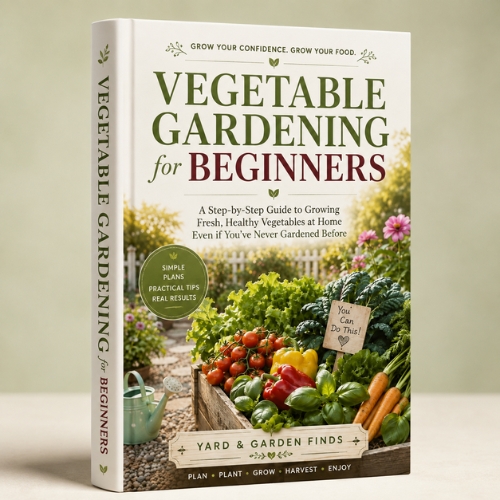
My Vegetable Gardening for Beginners ebook walks you through everything from choosing your spot to your first harvest — the complete roadmap this zone guide builds on.
Get the Ebook on Amazon →What to Plant in July: Understanding Your Zone First
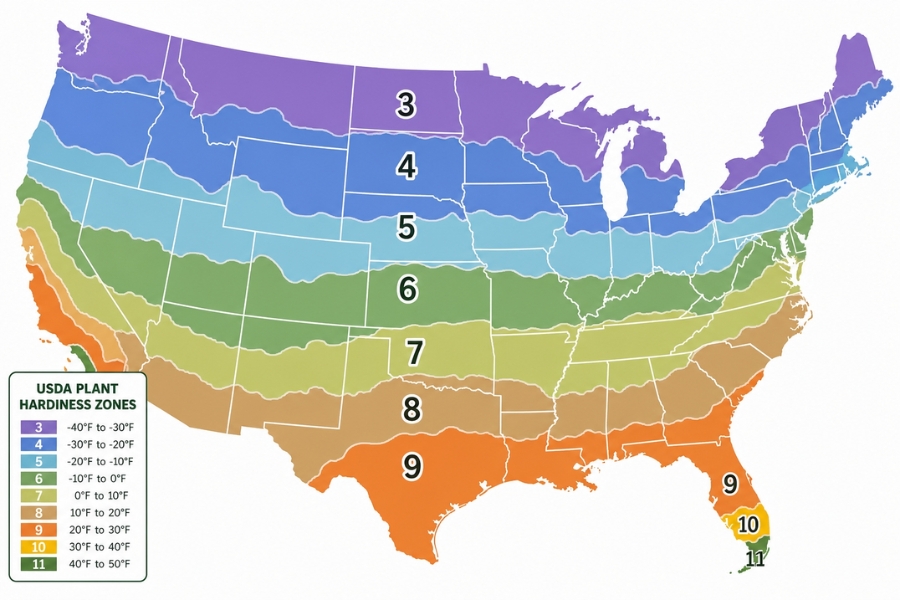
Knowing your USDA zone is the first step to planting at the right time.
USDA Plant Hardiness Zones are based on average annual minimum winter temperatures, but for summer planting, what matters most is your heat zone and frost date. July planting decisions hinge on one key question: how many frost-free weeks do you have left in the season?
Here’s a quick overview of how July gardening differs across the main US climate regions:
| Zone | Region | July Planting Notes |
|---|---|---|
| Zones 3–4 | Northern US / Mountain West | Short growing season. July is prime time for fast-maturing crops and succession sowing before first frost hits in September. |
| Zones 5–6 | Midwest / New England / Great Plains | Solid window remaining. July is ideal for second plantings of beans, beets, and cucumbers, plus fall brassica starts. |
| Zones 7–8 | Mid-Atlantic / Pacific NW / Southeast | Heat peaks in July. Focus on heat-tolerant crops and begin planning fall plantings of cool-season vegetables. |
| Zones 9–11 | Southwest / Deep South / Hawaii | Extreme heat dominates. Transition to heat-resistant tropical crops and prepare raised beds for fall planting starting in August. |
Vegetables to Plant in July
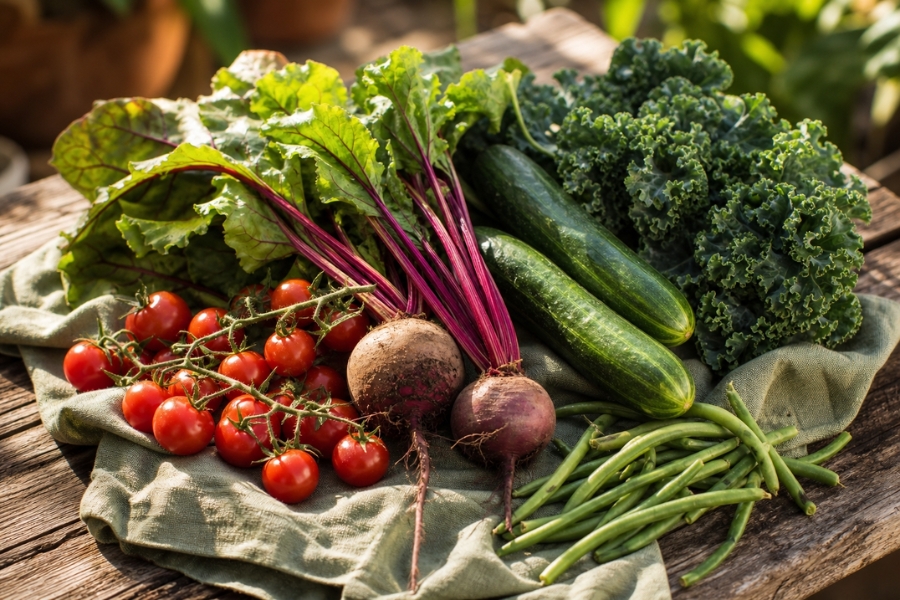
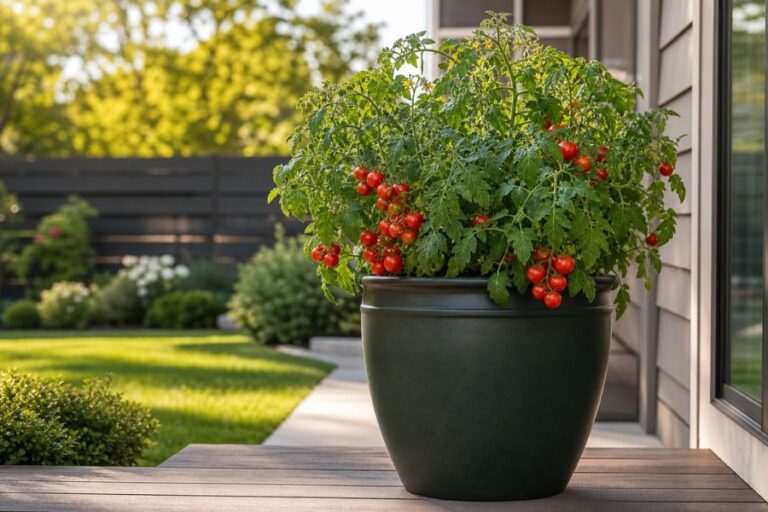
From tomatoes to beets, July is a productive month for succession planting.
Believe it or not, July is one of the best months to plant for a continuous harvest. Fast-maturing varieties are your best friends this time of year — look for anything that matures in 45–65 days. If you’re newer to growing your own food, several of these (tomatoes, beans, cucumbers) are also covered in more depth, start to finish, in my easiest vegetables for beginners guide.
Tomatoes
If you’re in Zones 7–9 with a long growing season ahead, it’s not too late to transplant fast-maturing determinate tomatoes. Varieties like Roma, Ace 55, and Heatmaster are ideal — they’re bred to set fruit even when nighttime temperatures stay high.
In Zones 5–6, your spring-planted tomatoes are producing now, but planting a second round of cherry tomatoes in early July can extend your harvest well into fall.
Pro tip: Look specifically for “heat-set” varieties if you’re in a hot climate. Standard varieties often drop flowers when nighttime temps exceed 70°F — heat-set types are bred to keep fruiting regardless.
🌱 Shop tomato seeds at True Leaf Market
Cucumbers
Cucumbers thrive in July heat and mature quickly — many varieties are ready in just 50–60 days, which means a July planting gives you cucumbers right through September. Direct sow seeds into warm soil and keep them well watered. Slicing varieties like Poinsett 76 and Tendergreen perform especially well in summer heat.
Zone tip: Zones 3–6 can direct sow cucumbers in early July for a late-summer harvest. In Zones 7–9, plant on the east side of taller crops so cucumbers get morning sun and some afternoon shade during peak heat.
🌱 Shop cucumber seeds at True Leaf Market
Beans
Bush beans and pole beans are one of the fastest and most rewarding July plantings. Many varieties mature in as little as 35–50 days, meaning a mid-July sowing gives you fresh beans in late August and September — right as your spring-planted beans start to wind down. Succession sow every two weeks through mid-July for a continuous supply.
Zones 3–8: Beans are reliable July plantings across most of the country. Water deeply — summer beans need nearly double the moisture of spring plantings due to heat and evaporation.
🌱 Shop bean seeds at True Leaf Market
Squash & Zucchini
Summer squash grows incredibly fast in July — it’s not unusual to go from seed to harvest in under 50 days. If your spring squash plants are starting to look tired or powdery, pull them out and direct sow a fresh round. You’ll have new, vigorous plants producing in no time.
Winter squash planted in early July (especially in Zones 5–7) will be ready for a fall harvest.
🌱 Shop squash seeds at True Leaf Market | Shop zucchini seeds at True Leaf Market
Beets
Beets are a fantastic July crop — they mature in 55–70 days and can handle light frost, which means a July sowing often yields a sweet fall harvest. Detroit Dark Red and Chioggia are reliable varieties. Direct sow seeds about half an inch deep and thin seedlings to 3–4 inches apart for best root development.
Zone tip: Zones 3–6 can plant beets throughout July. In Zones 7–8, wait until late July or early August when heat begins to break.
Beets are also one of the standout picks in our 10 Easiest Fall Vegetables for Beginners — a July sowing sets you up perfectly for a sweet fall harvest.
🌱 Shop beet seeds at True Leaf Market
Kale
This might surprise you, but kale planted in July actually tastes better than spring-planted kale. That’s because cool fall temperatures — which it grows into after a July start — trigger the plant to convert starches to sugars, producing sweeter, more tender leaves. Red Russian Kale and Bare Necessities Kale are two varieties that handle summer heat well enough to get established before fall kicks in.
Kale is also one of the top picks in our 10 Easiest Fall Vegetables for Beginners guide — a great read once you’ve got your July seeds in the ground.
🌱 Shop kale seeds at True Leaf Market
Carrots
Carrots planted by mid-July in Zones 3–7 will yield a wonderful late summer and fall crop. They actually prefer to mature in cooler temperatures, which makes a July start ideal — they germinate in the warmth but develop sweetness as fall approaches. Keep the soil consistently moist during germination, as dry surface soil is the number one reason carrot seeds fail.
Fall-grown carrots taste even sweeter than summer ones — and they make our 10 Easiest Fall Vegetables for Beginners list for exactly that reason.
🌱 Shop carrot seeds at True Leaf Market
Okra (Zones 6–11)
Okra is a true Southern summer star and one of the few vegetables that genuinely loves July heat. Direct sow seeds in warm soil — okra germinates best when soil temperatures are above 65°F. In the Deep South and Southwest, July plantings produce abundantly through October.
🌱 Shop okra seeds at True Leaf Market
Sweet Potatoes (Zones 6–9)
If you didn’t plant sweet potato slips in June, early July is your last call. They need 90–120 days of warm weather, so a July planting in Zone 7+ will reach harvest in October. The sprawling vines work wonderfully as an edible groundcover — plant them where you want to suppress weeds and fill space.
🌱 Shop sweet potato slips at True Leaf Market
🎃
Plant Pumpkins Now for a Halloween Harvest
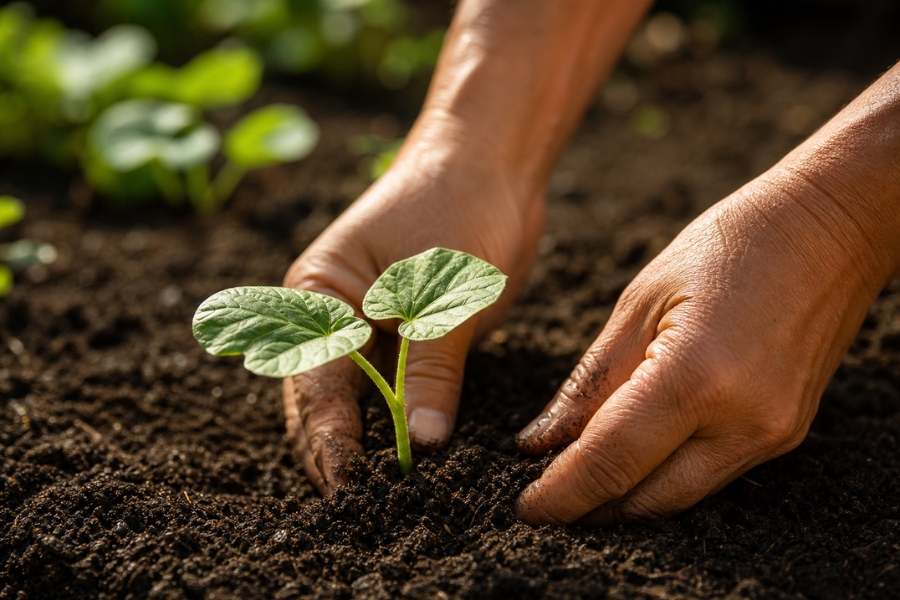
Late June through mid-July is the sweet spot for planting pumpkins if you want them ready for Halloween. Most jack-o’-lantern varieties need 90–110 days to mature — plant now and you’ll have glowing porch pumpkins right on schedule. Choose varieties like Howden, Connecticut Field, or Cinderella for classic shapes and colours.
Starting Your Fall Garden in July
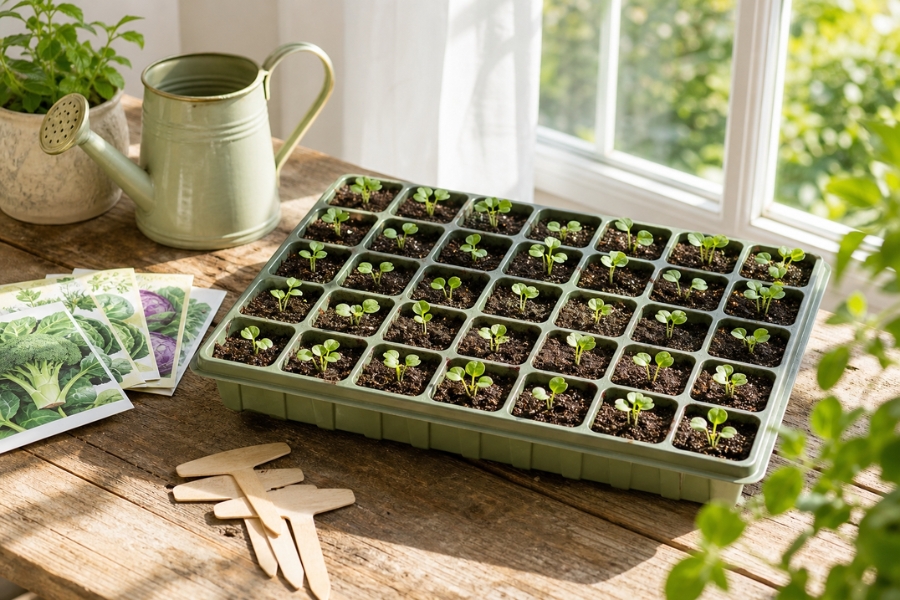
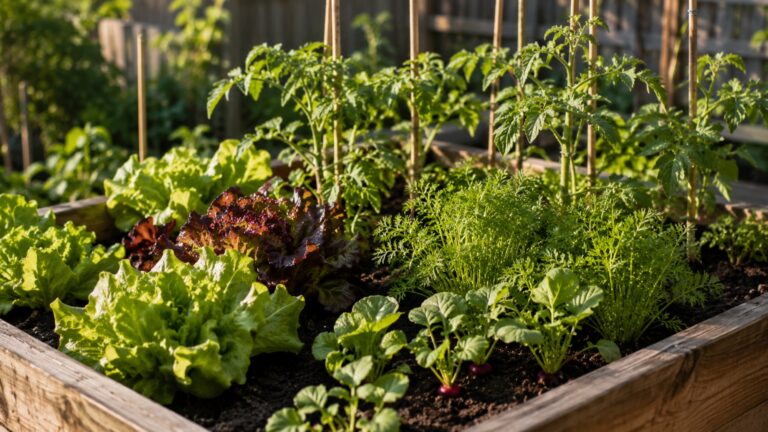
Start brassica seeds indoors in July for a thriving fall garden.
One of the most important things you can do in July is start planning — and seeding — your fall vegetable garden. Many cool-season crops need 6–8 weeks before transplanting, which means starting seeds in July puts you right on schedule for September and October planting.
Start Indoors in July for Fall Transplanting
- 🌱 Broccoli
- 🌱 Cauliflower
- 🌱 Cabbage
- 🌱 Brussels sprouts
- 🌱 Chinese cabbage
- 🌱 Collard greens
- 🌱 Kale
- 🌱 Leeks
- 🌱 Celery
- 🌱 Parsley
Start these 5–6 weeks before your intended transplant date. No greenhouse needed in July — the weather is warm enough to start seeds outdoors in a shaded spot, away from foot traffic. A reusable seed starting tray makes the whole process much easier and keeps your seedlings organised by variety. Want the full rundown of tools worth having on hand? See my essential gardening tools for beginners guide.
Once your July seeds are in the ground, the next step is knowing what to grow when the weather cools. Our 10 Easiest Fall Vegetables for Beginners guide covers exactly which crops thrive in cool weather, when to plant by zone, and how to keep your garden productive right through to first frost.
See the Fall Beginners Guide →Flowers to Plant in July
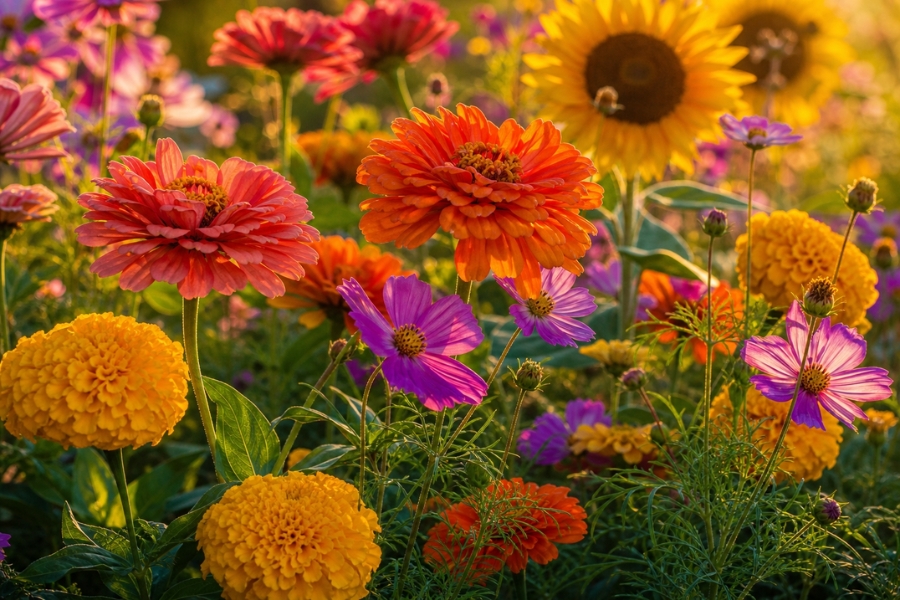
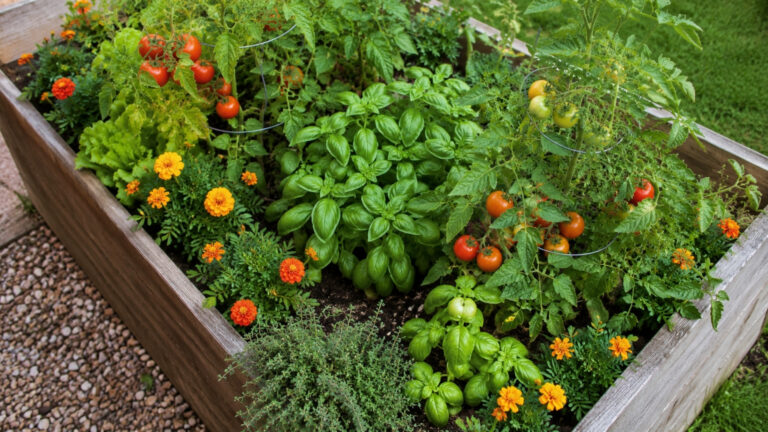
Bold, heat-tolerant flowers like zinnias and marigolds thrive when planted in July.
July flowers need to be tough. Forget spring favourites like pansies and snapdragons — they’re done for the season. Instead, focus on summer champions that thrive in heat, bloom for months, and keep your garden looking lush right through to fall.
Zinnias
Zinnias are one of the best flowers you can direct sow in July. They germinate fast, handle heat beautifully, and bloom prolifically from late summer right up to the first frost. The more you cut them, the more they bloom — making them perfect for summer bouquets. Sow seeds directly into a sunny bed and they’ll surprise you with how quickly they establish.
Bonus: Zinnias attract butterflies and pollinators in droves, making them a great companion plant for your vegetable garden.
🌱 Shop zinnia seeds at True Leaf Market
Sunflowers
Fast-growing sunflower varieties planted in early July will bloom in late August and September, adding incredible height and colour as the rest of the summer garden starts to fade. Choose shorter-season varieties (around 60–70 days) for a July planting. Sunflowers also attract birds once seeds form — a lovely bonus if you have a bird bath or feeder nearby.
🌱 Shop sunflower seeds at True Leaf Market
Marigolds
Marigolds are one of the hardest-working flowers in the summer garden. Their scent naturally repels aphids and whiteflies, while simultaneously attracting beneficial pollinators. Plant them around tomatoes, beans, and peppers as a companion plant. They establish quickly from transplant and bloom continuously until frost.
🌱 Shop marigold seeds at True Leaf Market
Cosmos
Cosmos are airy, romantic, and ridiculously easy from seed. Direct sow in July for blooms in late August that carry all the way through fall. They prefer lean, dry soil — over-fertilising actually reduces flowering. Cosmos self-seed freely, so once you plant them, you’ll have volunteers returning year after year.
🌱 Shop cosmos seeds at True Leaf Market
Portulaca (Moss Rose)
If you have a hot, dry, sunny spot that kills everything else, portulaca is your answer. This low-growing succulent annual is nearly indestructible in summer heat and produces jewel-bright flowers in coral, yellow, pink, and orange. It thrives in poor soil, requires minimal water, and spreads beautifully as a groundcover.
🌱 Shop portulaca seeds at True Leaf Market
Dahlias (from Tubers or Transplants)
In cooler zones (3–5), dahlias planted in early July will produce their most spectacular blooms in September — a wonderful way to keep your garden glowing into fall. In Zones 7+, dahlias planted in spring are in full flush right now and will continue blooming if you keep them deadheaded and well watered.
🌱 Shop dahlia seeds at True Leaf Market
Herbs to Plant in July
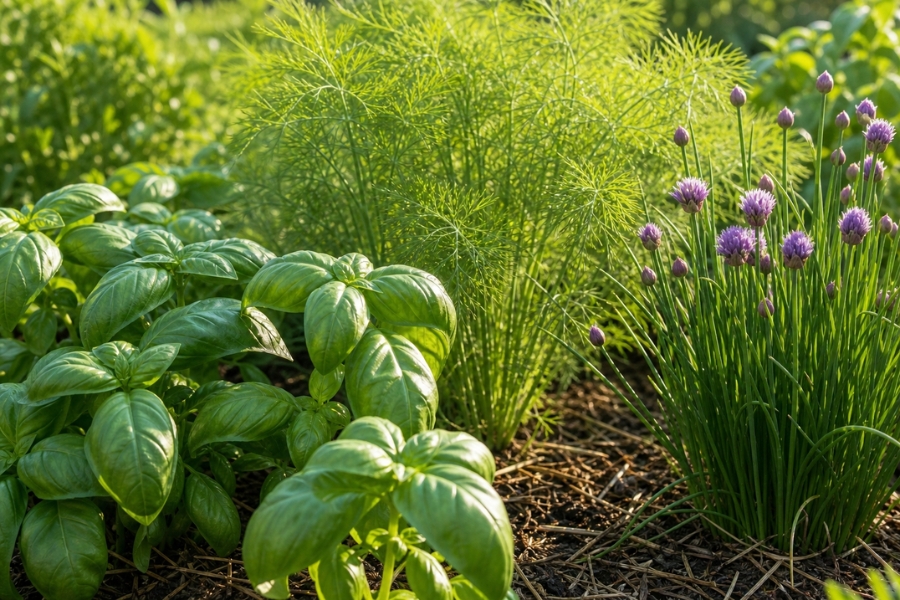
Basil loves July heat — plant it now for an abundant late-summer harvest.
July is a great month for heat-loving herbs. Many are fast-growing and you can start harvesting within weeks of planting.
Best Herbs for July Planting
- 🌱 Basil (all varieties)
- 🌱 Dill
- 🌱 Cilantro (bolt-resistant varieties)
- 🌱 Chives
- 🌱 Mint (in containers)
- 🌱 Lemon balm
- 🌱 Fennel
- 🌱 Parsley (from seed)
Basil in particular is at its happiest in July. The warm nights and long days push basil to grow lush and bushy. Pinch off any flower buds as soon as they appear to keep the plant focused on producing leaves. A July-planted basil kept well-pinched will produce abundantly right through until the first hint of cool weather in September.
For cilantro, choose bolt-resistant varieties like Calypso or Leisure — standard cilantro bolts quickly in summer heat. Sowing into light shade in hot-climate zones will extend the harvest considerably.
July Garden Care Tips
Successful July planting depends as much on how you care for what’s in the ground as what you put there.
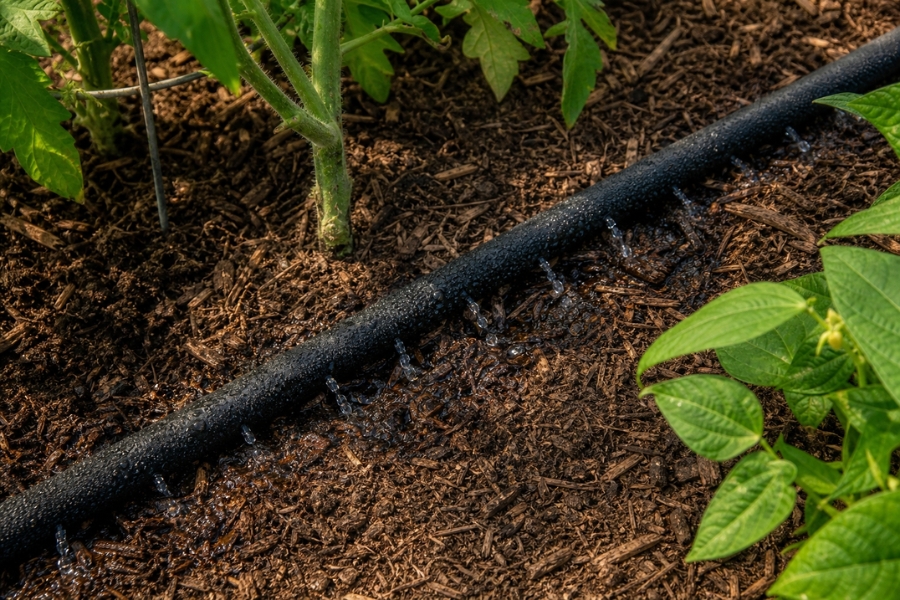
- Water deeply and early. Water in the early morning hours so moisture reaches roots before the heat of the day evaporates it. Avoid watering in the evening, which can promote fungal disease. A soaker hose is one of the best investments you can make for a summer garden — it delivers water directly to the root zone with zero waste. Not sure what else belongs in your kit? My essential gardening tools for beginners guide covers the rest.
- Mulch everything. A 2–3 inch layer of mulch around your plants is the single most effective thing you can do in July. It retains moisture, suppresses weeds, and keeps roots cool on scorching days.
- Fertilise actively growing plants. Summer is peak demand season. A balanced fertiliser or a good organic option like fish emulsion applied every 3–4 weeks keeps plants productive through the heat. (See our homemade fertiliser guide here.)
- Watch for pests. Warm weather means insect pressure is at its highest. Check plants regularly — especially the undersides of leaves — and treat early before infestations establish.
- Shade sensitive transplants. New seedlings transplanted in peak summer heat can struggle. A breathable shade cloth draped over new plantings for the first few days makes a real difference — or even an upturned pot in a pinch.
- Deadhead flowers regularly. Removing spent blooms on zinnias, marigolds, and cosmos keeps plants producing new flowers well into fall rather than shifting energy into seed production.
July Planting Quick Reference by Zone
Zones 3–4 | Northern US, Mountain West
- Bush beans (early July)
- Beets
- Carrots
- Kale
- Cucumbers (early July)
- Zinnias
- Cosmos
- Marigolds
- Broccoli (starts)
- Basil
Zones 5–6 | Midwest, New England, Great Plains
- Beans (succession)
- Cucumbers
- Squash & zucchini
- Beets
- Kale
- Pumpkins (early July)
- Zinnias
- Sunflowers
- Broccoli / Cabbage (starts)
- Basil, dill, parsley
Zones 7–8 | Mid-Atlantic, Pacific NW, Southeast
- Heat-set tomatoes
- Okra
- Sweet potatoes (early July)
- Southern peas
- Watermelon
- Pumpkins
- Zinnias, marigolds
- Portulaca
- Basil
- Fall brassica starts (late July)
Zones 9–11 | Southwest, Deep South, Hawaii
- Okra
- Sweet potatoes
- Southern peas
- Tropical herbs (lemongrass, Thai basil)
- Portulaca
- Torenia (wishbone flower)
- Prepare for fall brassica starts (late July)
- Cover crops to rest beds
New to Vegetable Gardening?
If all this zone-and-timing talk feels like a lot, start with the fundamentals. My ebook, Vegetable Gardening for Beginners, walks you through everything from choosing your spot to your first harvest — the complete roadmap this quick-reference guide builds on.
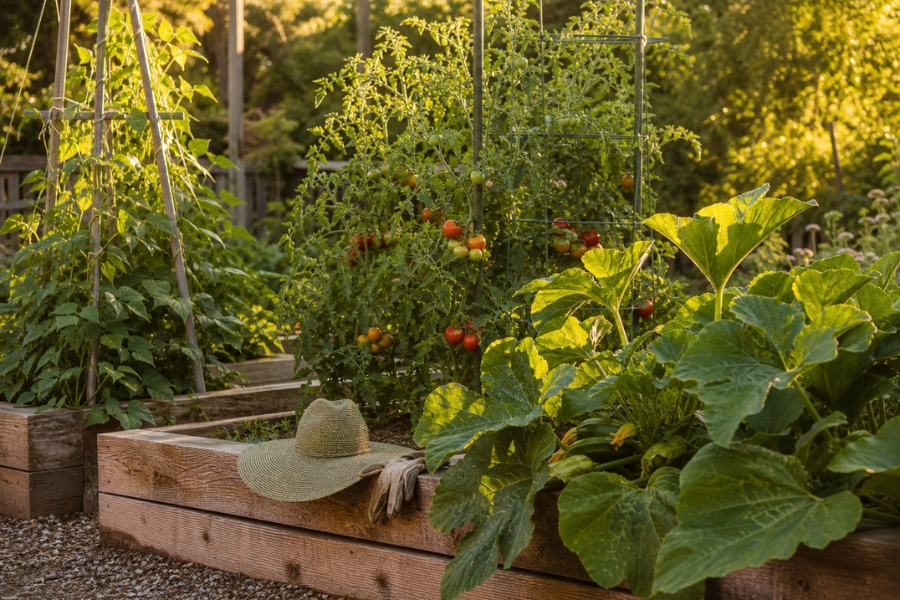
With the right plants and a little care, July can be your most abundant gardening month.
Discover the best tools, fertilisers, and supplies to make the most of your July garden — all tried, tested, and affiliate-linked for easy shopping.
Explore Garden Finds